
Chronic Pain and Conditions Care
Lasting relief for ongoing foot and ankle pain, from arthritis and neuromas to bunions, fibromas, and heel issues.

What You Need To Know
Understanding chronic foot and ankle pain and how it can be treated.
Chronic Foot and Ankle Conditions
Chronic foot and ankle pain can result from acute and overuse injuries, chronic diseases, infections, and structural abnormalities. You may develop pain suddenly if you suffer an injury like a fracture or sprain, or gradually as the joints and tissues deteriorate. Whatever kind of pain affects you, the podiatrists at Nevada Foot and Ankle use advanced diagnostics to identify the cause and offer treatments to resolve it.
Common chronic conditions we treat include arthritis, Achilles tendinitis and tendinosis, plantar fasciitis, Haglund’s deformity, hallux rigidus, Morton’s neuroma, plantar fibromas (Ledderhose disease), ganglion cysts, and tailor’s bunion. Each of these conditions can produce ongoing pain, stiffness, swelling, or difficulty walking, and each requires a specific approach to diagnosis and treatment.
Symptoms vary by condition but often include dull aching, limited range of motion, swelling, redness, warmth, burning, numbness, tingling, or a noticeable lump or deformity. Pain may worsen with activity, tight shoes, or long periods of standing. Some causes, like structural abnormalities or inherited foot types, put you at higher risk for developing chronic problems over time.
Mild pain may improve with rest and appropriate home care. However, if your pain persists, worsens, or interferes with daily activities, you should visit Nevada Foot and Ankle for a full evaluation. Your podiatrist may use X-rays, ultrasound, or MRI to see the damage in detail and build a treatment plan tailored to your condition.
Treatment Options and Long-Term Care
Treatment for chronic foot and ankle conditions typically begins with conservative measures. These may include the RICE protocol (rest, ice, compression, elevation), footwear changes, padding, stretching exercises, and oral nonsteroidal anti-inflammatory drugs (NSAIDs) such as ibuprofen to reduce pain and inflammation.
Custom orthotic devices are often recommended to support, realign, and protect your feet and ankles. Orthotics can reduce pressure on inflamed nerves, offload painful areas, control abnormal motion, and relieve tension on the plantar fascia and Achilles tendon. Bracing, splints, casting, and physical therapy modalities such as ultrasound and electrostimulation may also be used.
For persistent pain, your podiatrist may recommend corticosteroid injections to reduce inflammation at the affected joint or tissue. For plantar fibromas, options may include enzyme injections combined with shockwave therapy and topical Verapamil gel. For neuromas, hallux rigidus, and tailor’s bunion, targeted injection therapy can often delay or eliminate the need for surgery.
When conservative care fails, your podiatrist uses minimally invasive techniques whenever possible to limit tissue damage, reduce pain, and shorten recovery. Wearing appropriate shoes, using arch supports, stretching regularly, and modifying aggravating activities all help keep chronic pain from returning long term.
Related Services
Locations Offering This Service
Find convenient chronic pain and conditions care at a Nevada Foot and Ankle office near you.

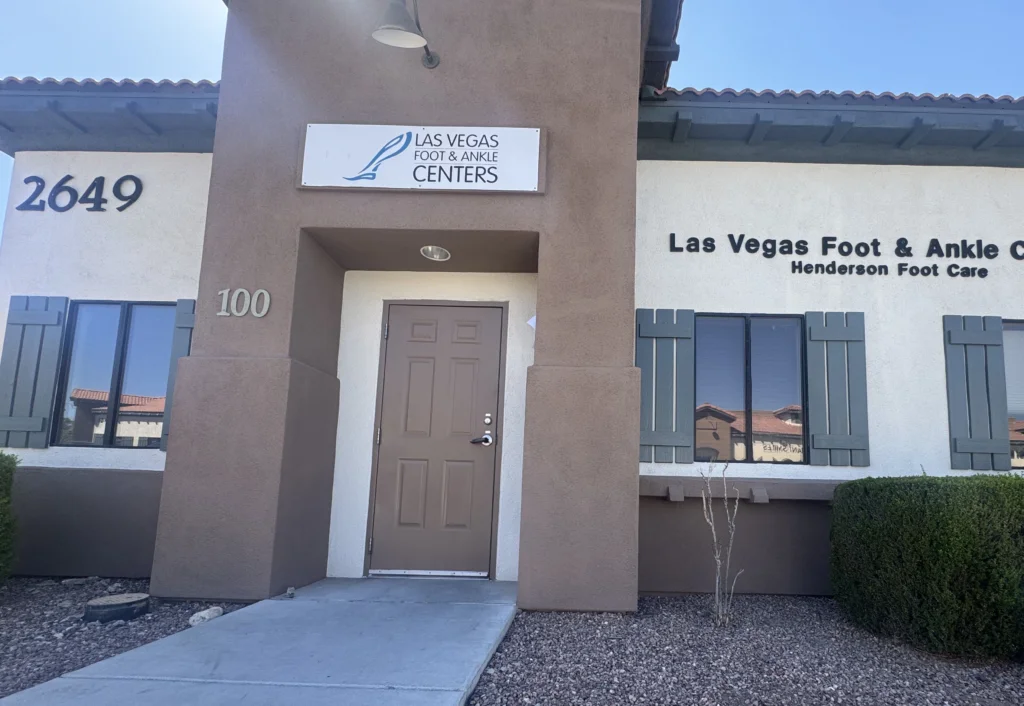
Nevada Foot and Ankle, Henderson – Horizon Ridge
2649 W Horizon Ridge Parkway, Suite 100
View Clinic


Don’t let chronic foot or ankle pain keep you from the activities you love.
We’ll help you find lasting relief with a plan built around your condition.