Peripheral Arterial Disease Care
Restore healthy circulation to your legs and feet with expert diagnosis and treatment for peripheral arterial disease.
What You Need To Know About PAD
Learn how peripheral arterial disease affects your legs and feet and when to seek care.
Understanding Peripheral Arterial Disease
Peripheral arterial disease (PAD) is a condition that causes the walls of the arteries in your legs to narrow so less blood reaches your lower legs and feet. This type of poor circulation is due to atherosclerosis, the buildup of cholesterol deposits along the walls of your blood vessels. PAD is the most common sign of atherosclerosis, although arteries throughout your body can be affected.
PAD develops when excess cholesterol from your blood forms sticky plaque that builds up inside your arteries. The plaque narrows the arteries, depriving your legs and feet of blood. PAD can cause claudication, an aching and heaviness in your legs when walking. The condition affects 8 to 12 million Americans and one in every five adults over the age of 70.
Symptoms of PAD can vary from mild discomfort to serious complications, including tired muscles in your feet and legs, pain in your legs, thighs, and buttocks, foot or toe pain when you are at rest or sleeping, slow healing skin wounds or ulcers, and cramping sensations in the legs and feet.
Since peripheral arterial disease symptoms can be mild, many people may think they are experiencing general muscle aches or weakness related to aging. If you notice any of these symptoms, it is best to be seen by our providers at Nevada Foot and Ankle for a thorough exam and treatment if needed.
Vascular Testing and Treatment Options
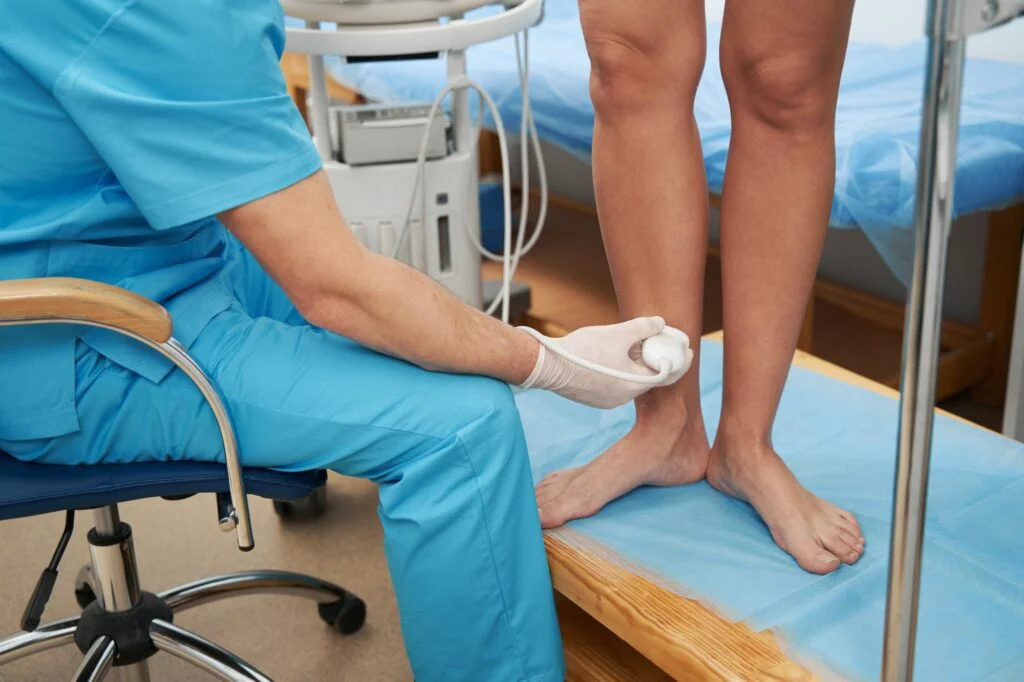
To diagnose PAD, you have a quick and painless test to assess the blood vessels in your legs. This test is called a doppler ultrasound and takes just a couple of minutes to complete. Based on your test results, your provider can recommend an appropriate treatment plan to relieve your symptoms and improve your circulation.
Nevada Foot and Ankle uses vascular testing to assess your blood vessel health and how well blood flows through your veins and arteries. These conditions are prevalent in the legs and feet because they are the farthest from your heart. Common tests include vascular ultrasound, which creates sound waves that bounce off your blood cells to produce moving images of your blood vessels, and the ankle-brachial index (ABI), which measures the blood pressure in your lower limbs.
All cases of peripheral arterial disease can benefit from healthy lifestyle changes, like quitting smoking, increasing your activity level, and maintaining a healthy weight. If conservative measures are not enough, your provider can prescribe medications to lower your blood pressure or cholesterol, manage your blood sugar, or prevent blood clots.
Different surgical options are available depending on the location and severity of the blockage. Your provider can discuss all of your options to determine the best course of treatment for your needs. Dealing with these problems early can prevent the misery of ulcerated legs and feet and reduce the risk of more serious complications.
Nevada Foot and Ankle Locations
Find a Nevada Foot and Ankle office near you for PAD evaluation and vascular testing.
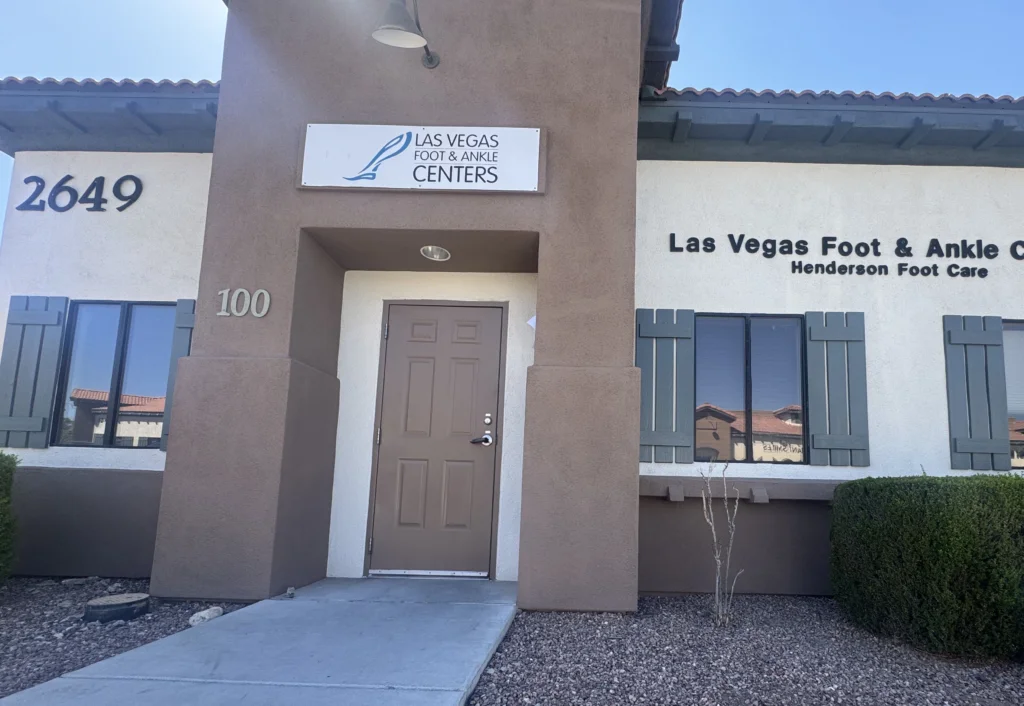
Nevada Foot and Ankle, Henderson – Horizon Ridge
2649 W Horizon Ridge Parkway, Suite 100
View Clinic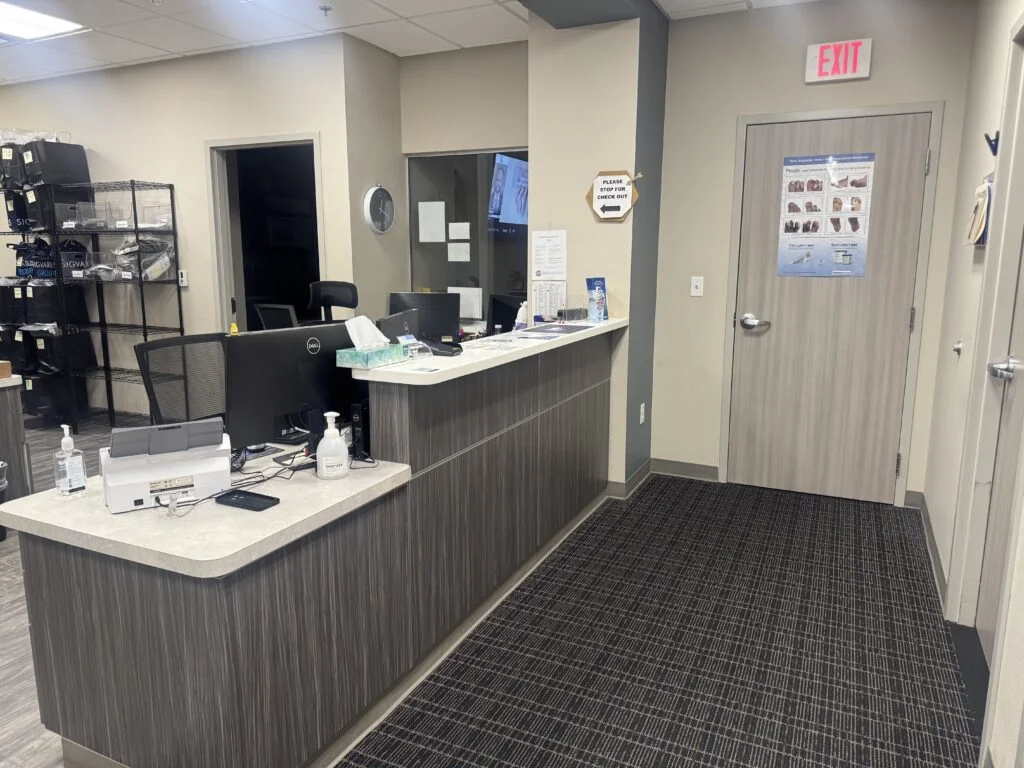


Don’t wait to get poor circulation checked, schedule your PAD evaluation today.
We’re here to help you feel your best with expert care and easy scheduling.