High Arches Care for Lasting Comfort
Relief for cavus foot pain, instability, and related conditions with treatment tailored to how your feet function.
What You Need To Know
Understanding high arches, their symptoms, and when to seek podiatric care.
Understanding High Arches and Cavus Foot
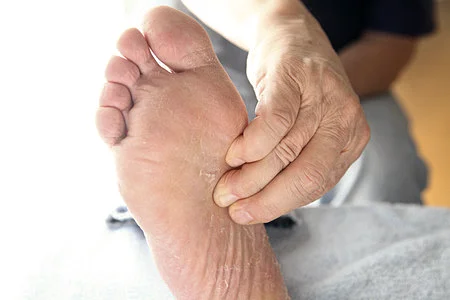
High arches, also called cavus foot, are a painful condition that can lead to structural problems in the body. The arch of the foot is the area along the bottom of the foot between the ball and the heel. It provides a base for posture and balances weight and bone structure. High arched feet are caused by an abnormally elevated arch, which places excess weight on the ball and heel of the foot and can cause pain and other complications. High arches usually manifest in the teenage years.
Common symptoms include pain in the feet when walking, standing, exercising, or playing sports. Shoes often do not fit well, foot length can appear shorter, and toes may become claw-like and bent. The heel may tilt inward, causing loss of balance, and calluses often form on the ball of the foot, side, or heel. Some patients also notice leg cramps, muscle pain, aching or tired feet, and changes in gait.
High arches can be genetic and run in families. They can also be caused by neurologic disorders or other medical conditions such as cerebral palsy, Charcot-Marie-Tooth disease, spina bifida, and polio. Identifying the underlying cause is important, because it shapes the treatment plan and helps address the root of the problem.
High arches may not need intervention unless they cause pain, inflammation, or affect movement. If you have foot pain, swelling, or other symptoms that affect daily life, it is better to see a podiatrist so the condition can be properly evaluated and managed.
Problems Caused by High Arches
Severe high arches can lead to a number of painful foot conditions because they affect posture and gait. Recognizing these related problems can help patients understand why early evaluation matters, even when the arch itself feels manageable.
Plantar fasciitis is one common complication. Overuse or trauma to the plantar fascia, the band of ligament that connects the heel to the toes, can cause pain and inflammation. It is usually felt along the heel but can affect the bottom of the foot or the arch. Metatarsalgia, a painful inflammation of the ball of the foot, is another frequent issue. It is triggered by standing or walking and subsides with rest, and over time it can cause a limp and compensation pain in the lower back and hips.
Toe deformities are also common with high arches. Claw toes dig down into the soles of shoes, often affecting the four smaller toes and creating painful calluses. Hammer toe affects the second, third, or fourth toes, bending at the middle joint and in time becoming rigid enough to require surgery.
Foot and ankle instability is another concern. In people with high arches, one or both heels tilt toward the middle of the body, which increases the risk of ankle sprains. Treatments can include physical therapy, orthotics, and customized support devices, with surgery considered only in extreme cases. With the right evaluation and support, most patients can protect their feet, reduce pain, and stay active over the long term.
Find High Arch Care Near You in Nevada
Visit a Nevada Foot and Ankle location for personalized high arch evaluation and treatment.

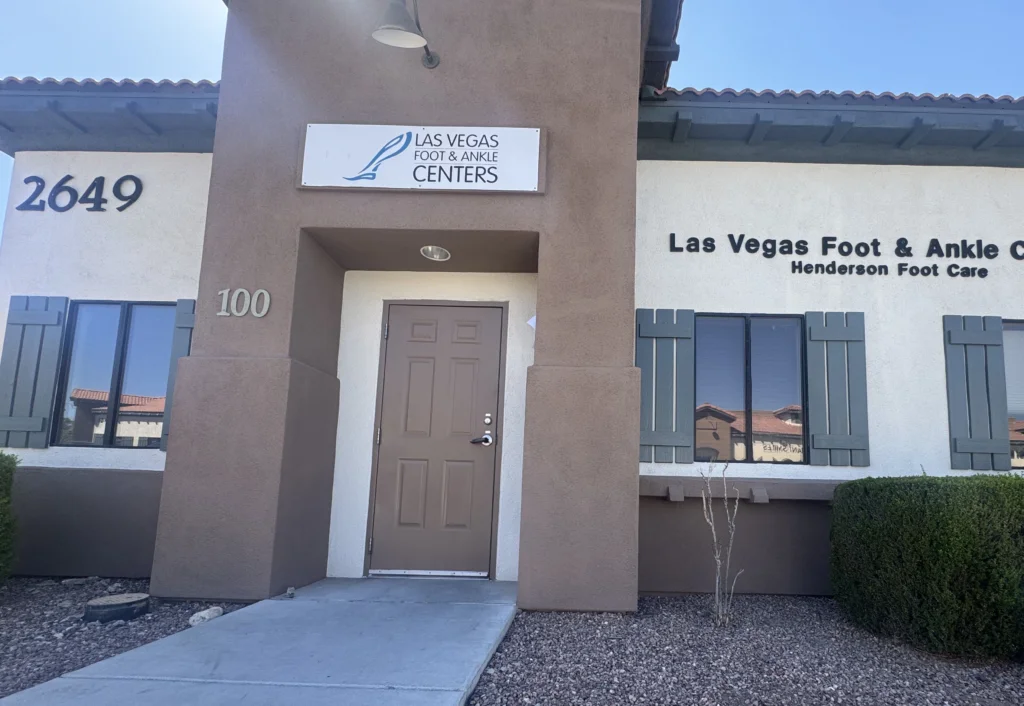
Nevada Foot and Ankle, Henderson – Horizon Ridge
2649 W Horizon Ridge Parkway, Suite 100
View Clinic


Don’t let high arch pain keep you from the activities you love
Schedule a visit today and we’ll help you get back on comfortable feet.