Ingrown Toenail Treatments in Nevada
Relief from painful, swollen, or infected toenails with expert care that keeps the nail from growing back into your skin.
What You Need To Know
Understanding ingrown toenails, why they happen, and when it’s time to see a podiatrist.
Understanding Ingrown Toenails
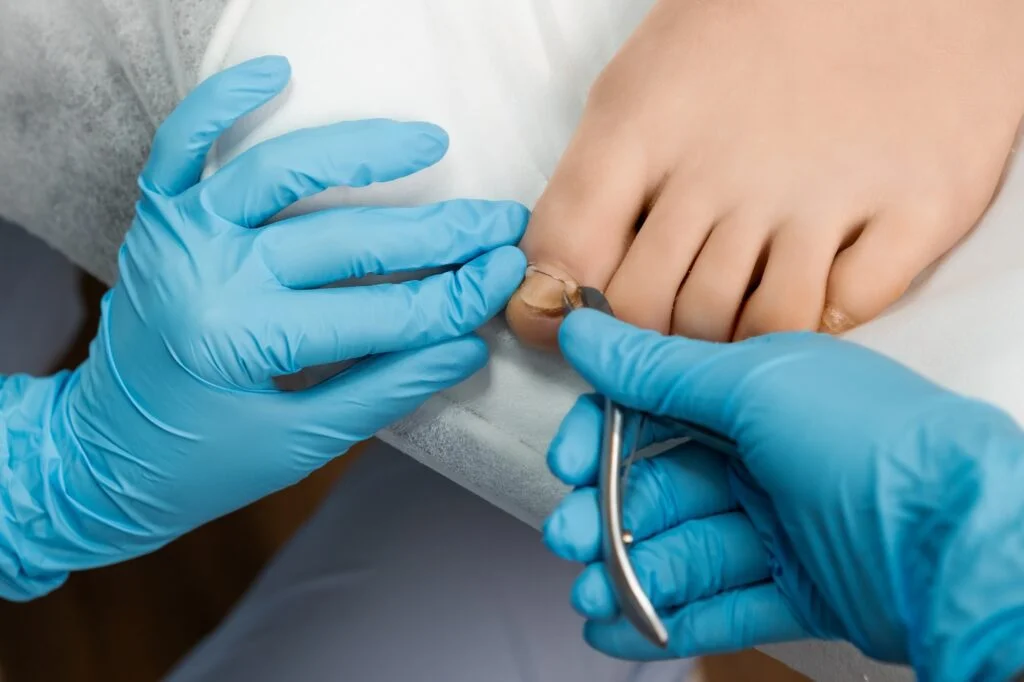
An ingrown toenail occurs when the corner of your toenail grows downward into the adjacent skin, digging painfully into the soft flesh. When a toenail is ingrown, it is curved downward or flared out and grows into the skin, usually at the sides of the nail. This irritates the skin, which may create pain, redness, swelling, and warmth in the toe. This common condition can affect any toe, but the big toe is most often affected.
As the toenail digs deeper into the skin, it becomes increasingly painful. Without treatment, it may curl around on itself, causing deep, gnawing pain in your toe. Any pressure on the toe from a shoe, sock, or even a bed sheet feels unbearable.
If an ingrown toenail breaks the skin and allows bacteria to enter, an infection may develop. Infected ingrown toenails may appear red, swollen, and warm to the touch. They may also be painful and ooze foul-smelling fluid (pus). This is particularly problematic for people with diabetes or poor circulation, who are vulnerable to tissue breakdown and ulcer formation.
Generally, ingrown toenails aren’t a serious medical problem and often resolve with simple home care. However, if you have diabetes, peripheral vascular disease, neuropathy, or another condition that causes poor circulation, you should seek professional treatment as soon as possible. If pain in the toe persists or you see any signs of infection, call Nevada Foot and Ankle right away so we can evaluate the toe and start treatment.
Causes, Prevention, and Treatment
Trimming your nails too short is the most common cause of ingrown toenails. When the nail is too short or rounded at the edges, the skin next to your nail may fold over it. Other causes include heredity, trauma such as stubbing your toe or repeated pressure from running and kicking, shoes and socks that are too tight or too narrow, and nail conditions like fungal infections that thicken and widen the nail.
Many cases can be prevented with a few simple habits. Cut toenails in a fairly straight line and try not to cut them too short. You should be able to get your fingernail under the sides and end of the nail. Avoid shoes that crowd your toes or that are so loose your foot slides forward and jams the toe box, especially when walking or running downhill.
At-home care can help early ingrown toenails if you do not have an infection or a high-risk medical condition. Soak your foot in warm water with Epsom salt and gently massage the side of the nail fold to reduce inflammation. Do not cut a notch in the nail, place cotton under the nail, or rely on over-the-counter topical medications.
If symptoms fail to improve, we evaluate your foot, review your medical history, and select the treatment best suited for you. For chronic cases, a minor in-office procedure with local anesthesia can remove part of the nail’s side border. Most people resume normal activity within a day or two.
Ingrown Toenail Care Near You
Visit Nevada Foot and Ankle at a convenient office in Las Vegas, Henderson, or Reno.
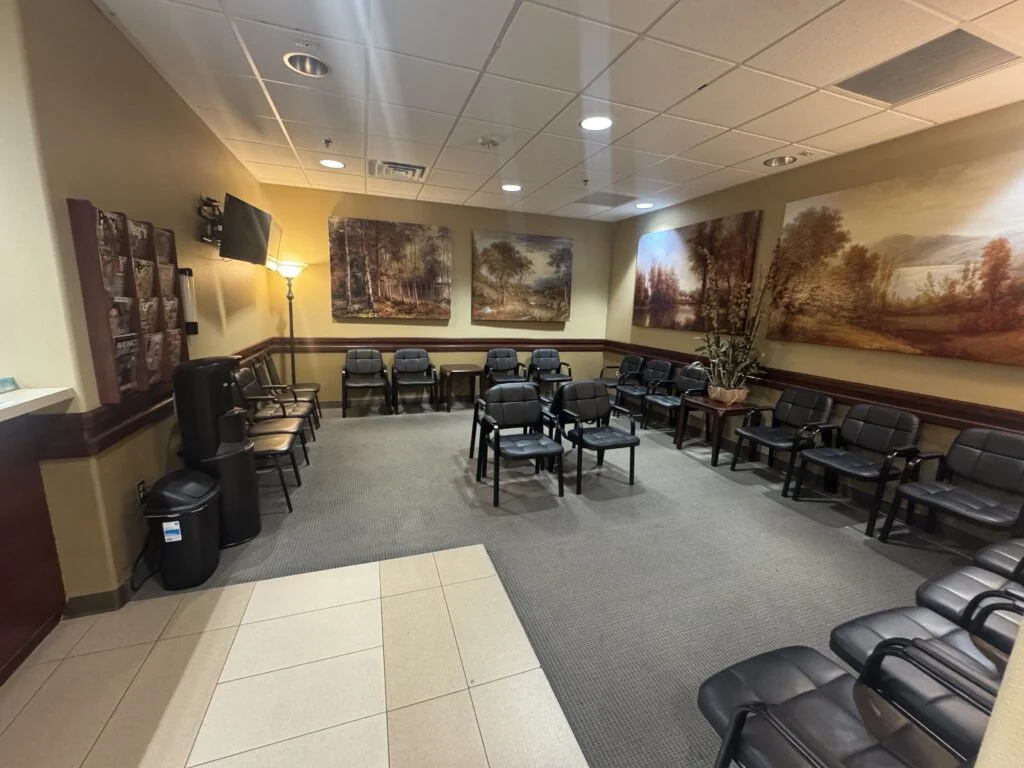
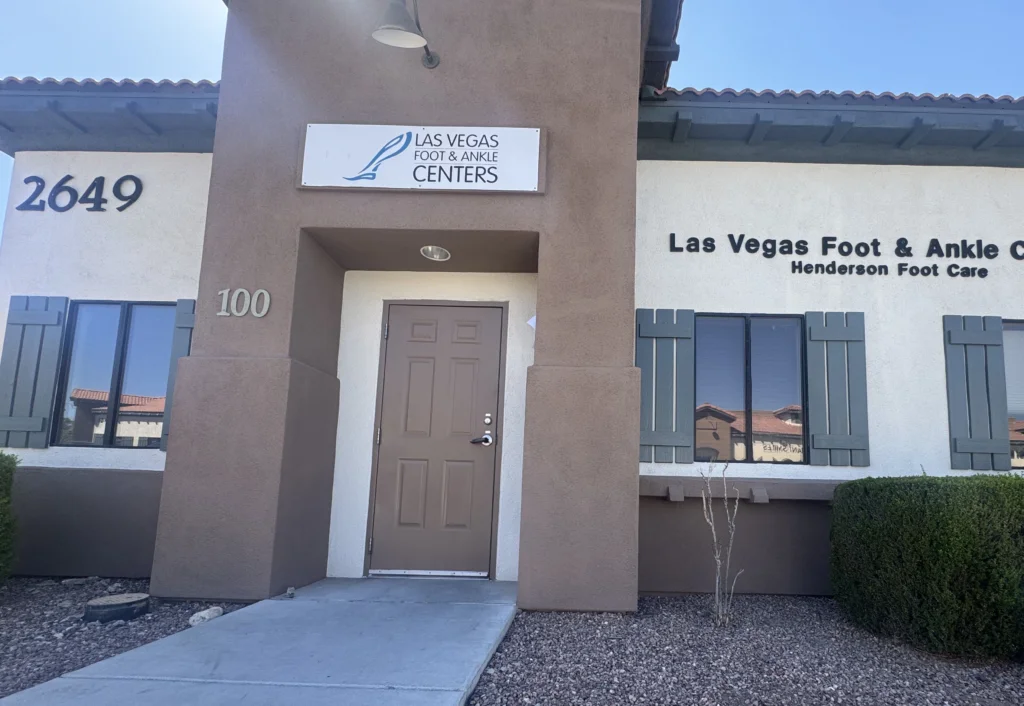
Nevada Foot and Ankle, Henderson – Horizon Ridge
2649 W Horizon Ridge Parkway, Suite 100
View Clinic

Don’t let a painful ingrown toenail keep you off your feet any longer.
We’ll relieve the pain quickly and help keep it from coming back.