Corns and Calluses Foot Treatment
Relief from painful, thickened skin on your feet, plus treatment that targets the pressure causing it.
What You Need to Know
Understanding corns and calluses, why they form, and when to see a podiatrist.
Understanding Corns and Calluses
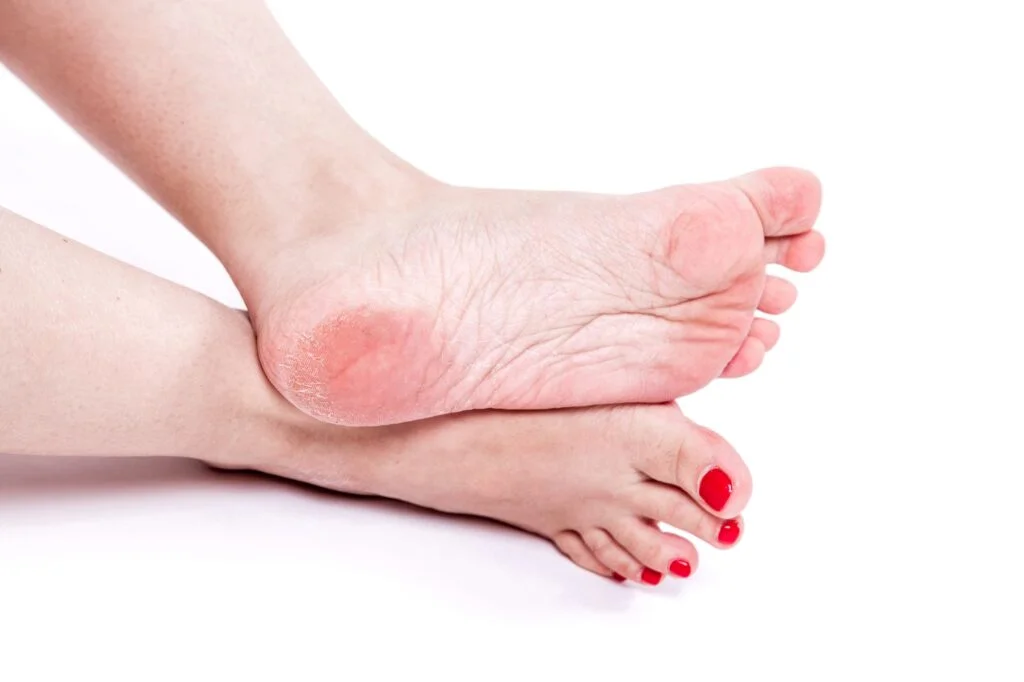
A corn is a small circular thickened lesion in the skin of the foot. It usually forms due to repeated pressure on the skin, such as the rubbing of a shoe. The name “corn” comes from its resemblance to a kernel of corn. Corns are similar to calluses but are typically smaller and deeper, with a hard center bordered by swollen skin. People with foot deformities, such as hammertoes, often suffer from corns because the tops of the bent toes rub against the tops of shoes.
A callus is a thickened area of skin on the foot caused by pressure and repeated rubbing, such as from a shoe or sock. The rubbing causes the skin to produce a layer of protective skin. Calluses vary in size, usually develop on the heels, balls, or soles of your feet, and aren’t usually painful.
Corns and calluses are easy to spot. Telltale signs include a thick, raised area of skin, a hardened or rough bump, tenderness or pain, and waxy or dry skin. Over time, a corn or callus might also start flaking or shed layers of skin.
If your skin experiences pressure or friction on a regular basis, you might develop a corn or callus. They often result from wearing tight or ill-fitting shoes, but may also develop due to irregularities affecting your feet, such as bunions, hammertoes, flatfeet, bone spurs, or pressure caused by an abnormal gait. If a corn or callus becomes inflamed or painful, or if you have diabetes, schedule an appointment with Nevada Foot and Ankle for a professional evaluation.
Treatment Options and Prevention Guidance
Your Nevada Foot and Ankle podiatrist can trim your corns with a small knife in a single office visit to provide immediate relief. However, corns are a symptom of an underlying structural problem with your foot, so unless you address the source of the friction causing your corns, they’ll return.
To reduce pain, your podiatrist can use protective padding to cushion the corn while it heals. They may recommend you wear medicated patches containing salicylic acid to aid healing and prevent the skin from thickening again. For calluses, a podiatrist can evaluate the cause and recommend the treatment most appropriate for your condition.
To address the cause of your corns, your podiatrist begins by recommending a footwear change. You should only wear shoes that give your toes enough room, so avoid pointed toes and high heels. You might benefit from custom orthotics to help realign abnormal structures. Your treatment plan may also include surgery to correct foot abnormalities that can cause corns to return.
Avoid trying to remove a corn at home or using medicated corn pads, as serious infection may occur. People with poor circulation, diabetes, or peripheral neuropathy should never attempt to treat corns themselves. Our podiatrists work with patients to alleviate the source of friction and help you get back on your feet comfortably.
Convenient Locations Across Nevada
Find a Nevada Foot and Ankle office near you for expert corn and callus care.
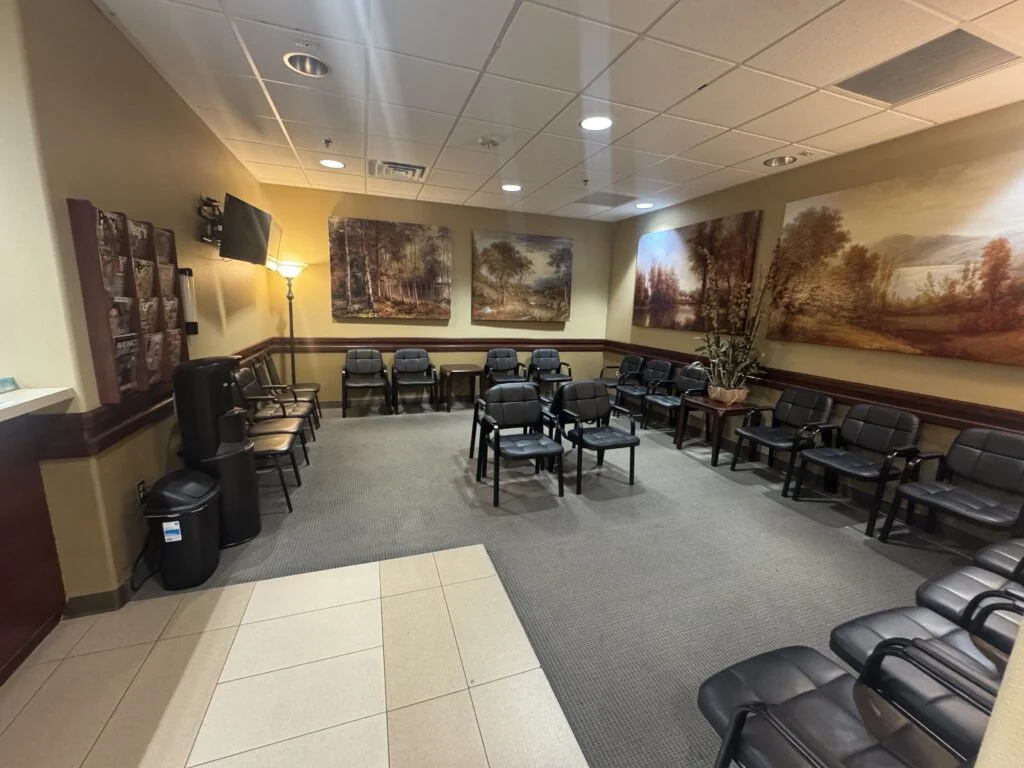
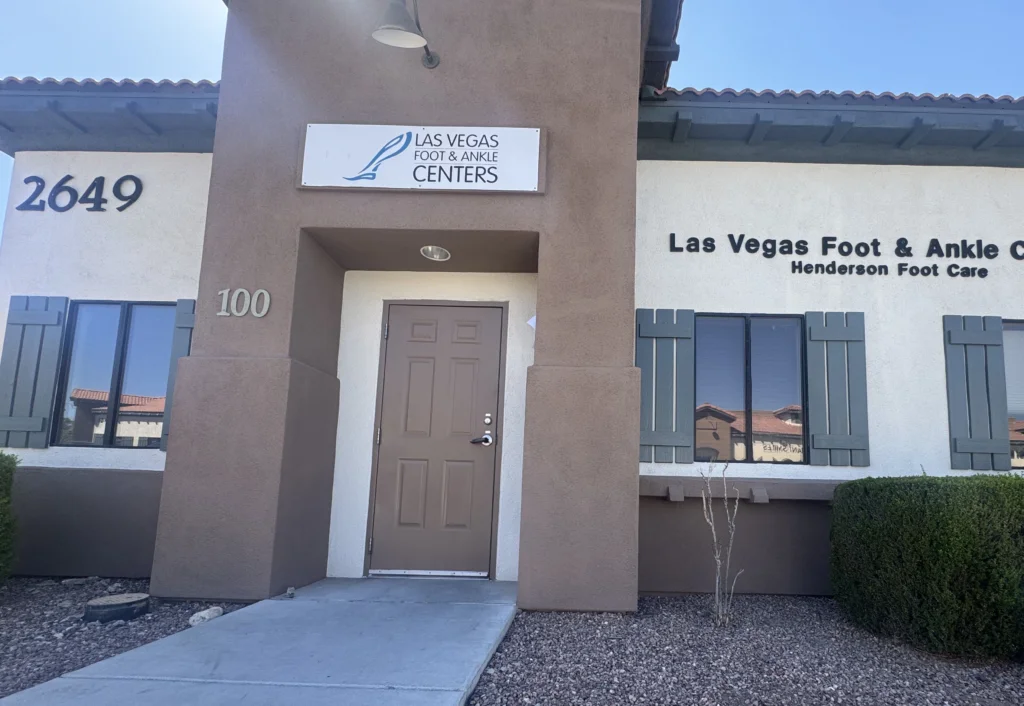
Nevada Foot and Ankle, Henderson – Horizon Ridge
2649 W Horizon Ridge Parkway, Suite 100
View Clinic

Don’t let painful corns or calluses keep you from doing what you love.
We’re ready to help you find lasting relief. Book your visit today.