
Wounds Care and Limb Preservation
Specialized treatment for chronic wounds, diabetic ulcers, and non-healing sores to protect your feet and prevent amputation.
What You Need To Know
Learn how our team treats chronic wounds and works to preserve your limbs.
Understanding Wound Care and Limb Preservation
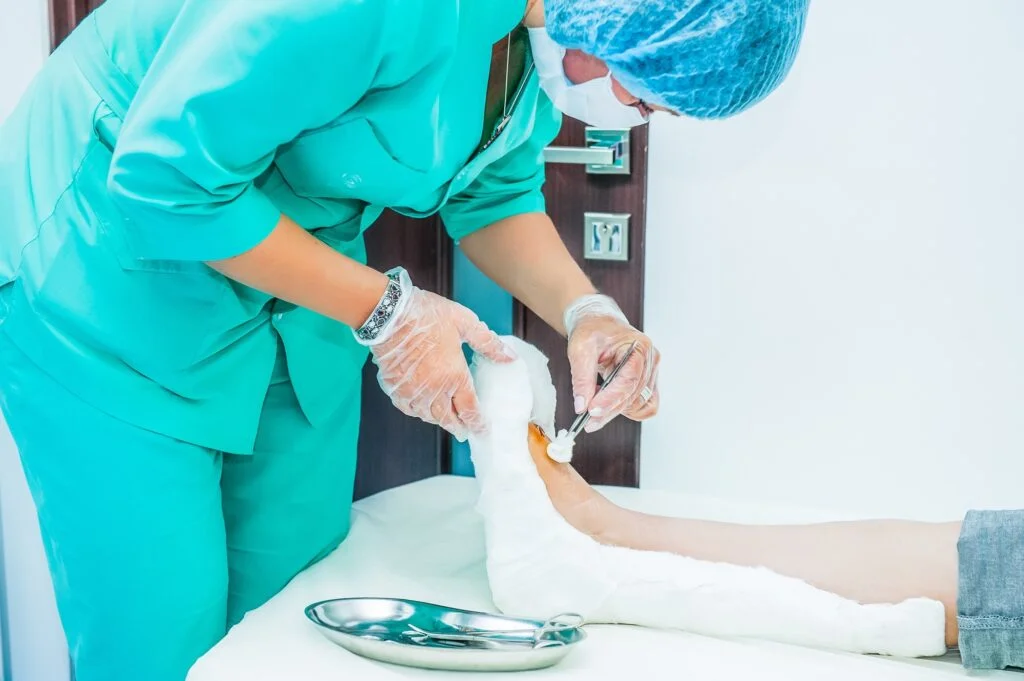
Wound care is the specialized treatment of ulcers on your foot and ankle. Ulcers are open sores most likely to appear on the lower limbs. They are red, inflamed wounds that often ooze fluid and can go down to the bone in some cases. Ulcers are resistant to healing, which is why they require specialized wound care.
Our podiatrists have training in the diagnosis and management of chronic, non-healing wounds like diabetic ulcerations, pressure ulcerations, venous stasis ulcers, and arterial or ischemic ulcerations. Diabetic ulcers develop when high blood sugar damages the lining of your blood vessels and slows healing. Pressure ulcerations develop when pressure is applied to the skin for long periods, often from bed rest or improper footwear. Venous ulcers form when damaged veins break through the skin, while arterial ulcers affect people with peripheral arterial disease (PAD).
Left untreated, chronic conditions such as diabetes and PAD increase your risk of infection and, ultimately, amputation. Ulcers can cause pain, itching, and general discomfort and can easily become infected, which may lead to gangrene and increases your risk of limb loss.
Our providers diagnose the cause of your ulcer after a thorough consultation and physical exam. We ask about your medical history, chronic health conditions, lifestyle, and symptoms, and examine your wound to assess for artery and vein involvement. If you have diabetes or a weakened immune system, any slow-healing wound is cause for concern, so contact us as soon as you notice one.
Putting Foot Health First
Discover expert perspectives on foot and ankle health and how personalized care can support lasting comfort, function, and mobility.
Treatment, Skin Grafts, and Prevention
Wound care begins with cleaning and debridement, the removal of dead and infected tissue. Nevada Foot and Ankle uses specialized dressings, such as hydrogel to keep non-draining wounds moist and alginate for bleeding or oozing wounds. Your podiatrist may use collagen to support healing and fit you with orthotics and diabetic shoes to keep pressure off ulcerated areas.
Our providers use a multi-disciplinary approach to amputation prevention, coordinating care between vascular surgeons, podiatrists, reconstructive microsurgeons, and other specialists to assist people at risk of leg and foot amputation. Fortunately, conservative, integrated methods of care can prevent up to 85% of diabetes-related amputations.
When skin loss is significant, a skin graft may be needed. A skin graft is a surgical process wherein a piece of living tissue is removed from one part of the body and transferred to another. There are two types: split-thickness grafts, which remove the epidermis and part of the dermis and are used for larger wounds, and full-thickness grafts, which remove the whole epidermis and dermis and are used for smaller wounds. Skin grafts help restore mobility, heal stubborn wounds, and save limbs.
Prevention is just as important as treatment. Check your feet daily for injuries, wash and dry your feet daily, wear properly fitted footwear, and trim your toenails straight across. With early attention and consistent care, most patients can heal without surgery and protect the long-term health of their lower limbs.
Related Services
Find Wound Care Near You in Nevada
Visit one of our convenient Nevada Foot and Ankle locations for expert wound care.
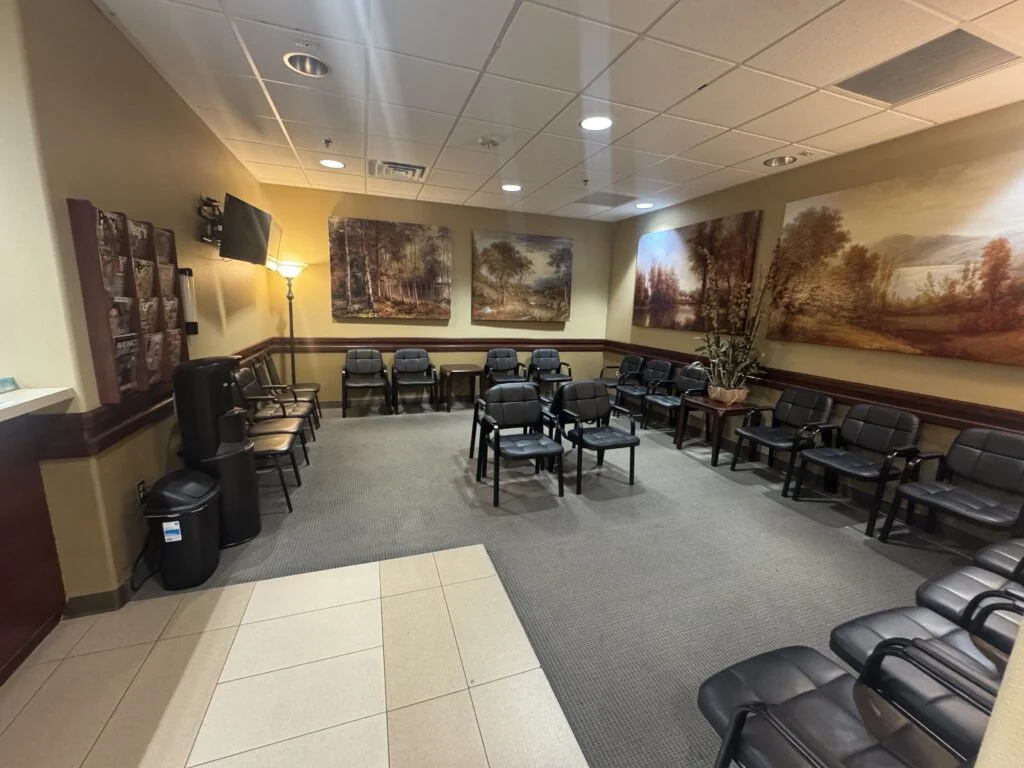
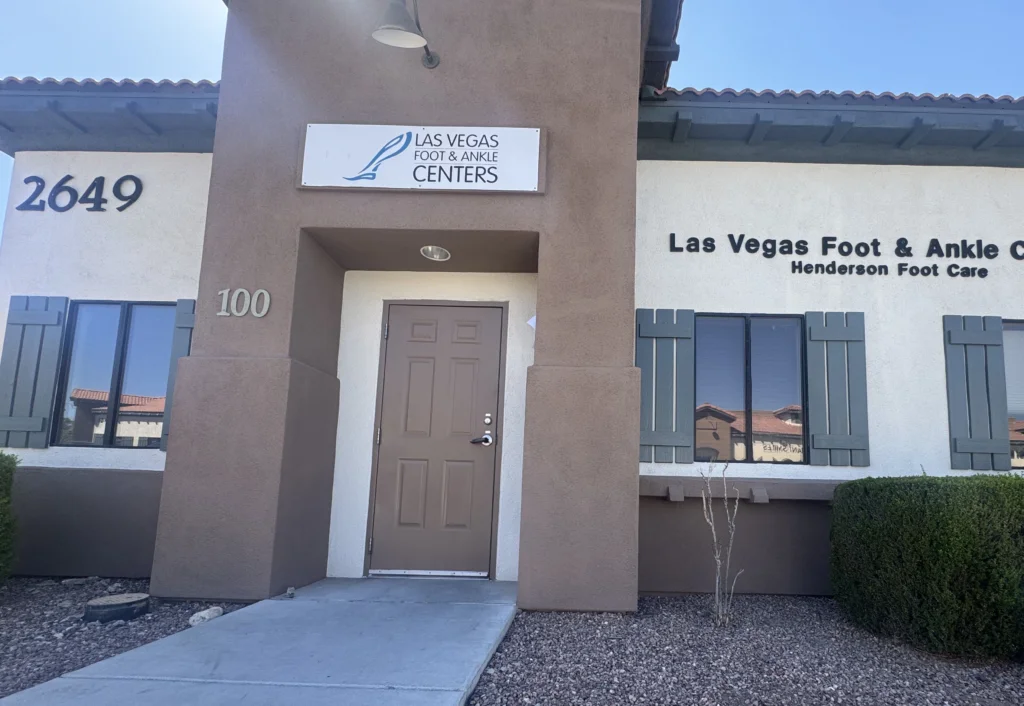
Nevada Foot and Ankle, Henderson – Horizon Ridge
2649 W Horizon Ridge Parkway, Suite 100
View Clinic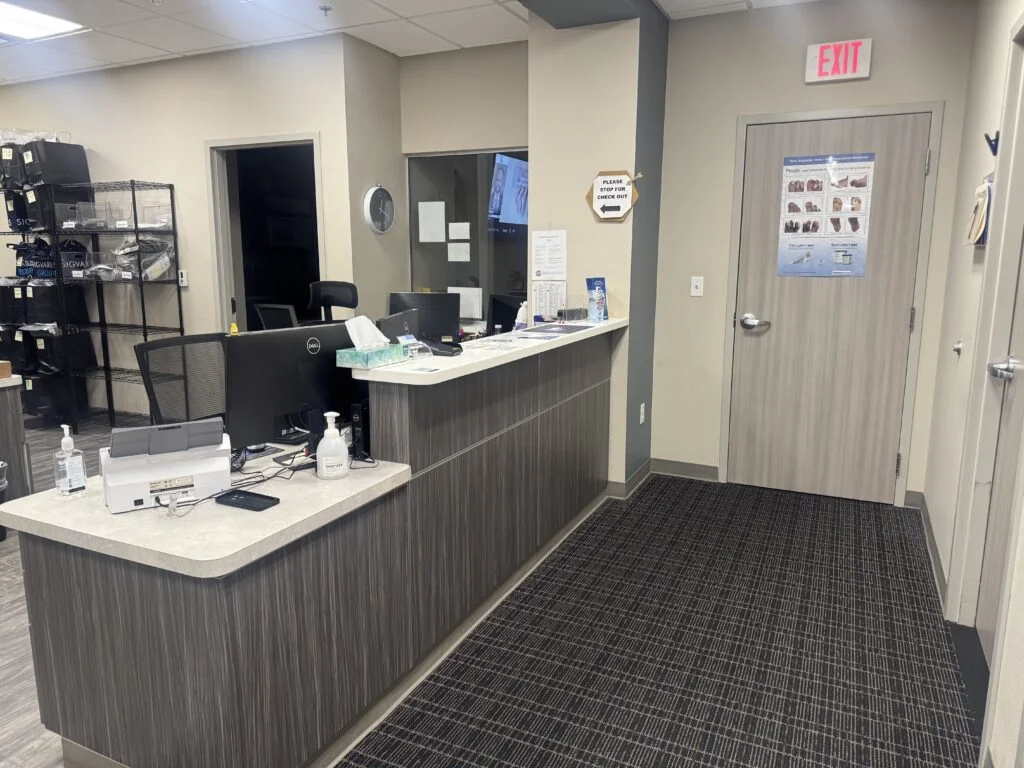


Don’t wait to treat a slow-healing wound, book your visit today.
We’re here to help you heal, protect your limbs, and keep you on your feet.