Pathology Lab Processing Services
On-site pathology testing that helps our physicians accurately diagnose foot and ankle conditions and guide care.
What You Need To Know
How pathology lab processing supports accurate diagnosis and treatment of foot and ankle conditions.
Understanding Pathology Lab Processing
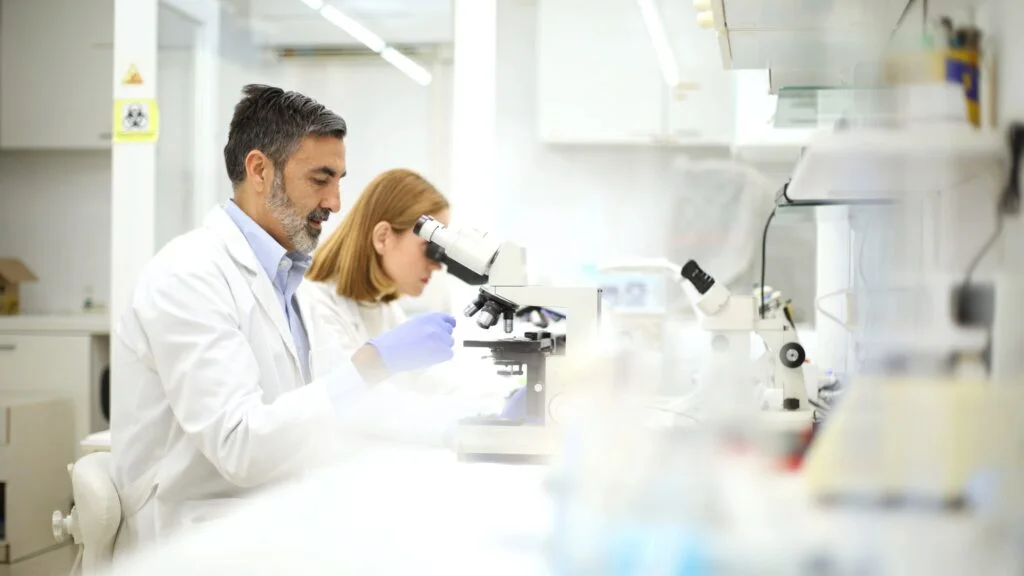
Pathology lab test results determine the cause and nature of diseases and help doctors diagnose and treat patients correctly at Nevada Foot and Ankle. When your provider needs a closer look at tissue or fluid from your foot or ankle, the pathology lab is where those samples are analyzed.
Nevada Foot and Ankle offers the convenience of a pathology lab which allows for testing of body tissues (samples from biopsies) and fluids (blood). Typical services and tests include needle aspirations, fungal or bacterial cultures. Results of tests performed in the pathology lab aide physicians in diagnosing and treating patients.
Pathology testing is often recommended when a skin lesion, nail change, wound, or swelling does not respond as expected to standard care, or when your provider needs to confirm whether an infection is fungal or bacterial. Identifying the specific organism or tissue change involved allows for a more targeted treatment plan.
Having lab processing available through the practice means samples can be collected during your visit without a separate trip to an outside facility. Once results are returned, your provider will review them with you and outline the next steps, whether that involves a prescription, a procedure, or continued monitoring.
What To Expect With Sample Collection
Sample collection during a podiatry visit is typically quick and performed in the exam room. For a skin or nail sample, your provider gently removes a small piece of affected tissue. For a fluid sample, a fine needle is used to draw from the area in question. Local anesthetic may be used depending on the site and the type of sample being taken.
A fungal or bacterial culture is used when your provider suspects an infection. The sample is placed in a growth medium so the lab can identify the specific organism present. This matters because different fungi and bacteria respond to different medications, and culture results help avoid guesswork in prescribing.
Needle aspiration is used to withdraw fluid from a cyst, joint, or soft tissue mass. The fluid can then be examined for signs of infection, inflammation, crystals associated with gout, or other findings that guide treatment decisions.
Turnaround time varies depending on the test. Some cultures require several days for organisms to grow, while other studies return more quickly. Your provider will let you know when to expect results and how they will be communicated. Once results are in, treatment can move forward with a clearer picture of what is actually going on.
Nevada Foot and Ankle Locations
Find a Nevada Foot and Ankle office near you for pathology lab processing and foot care.
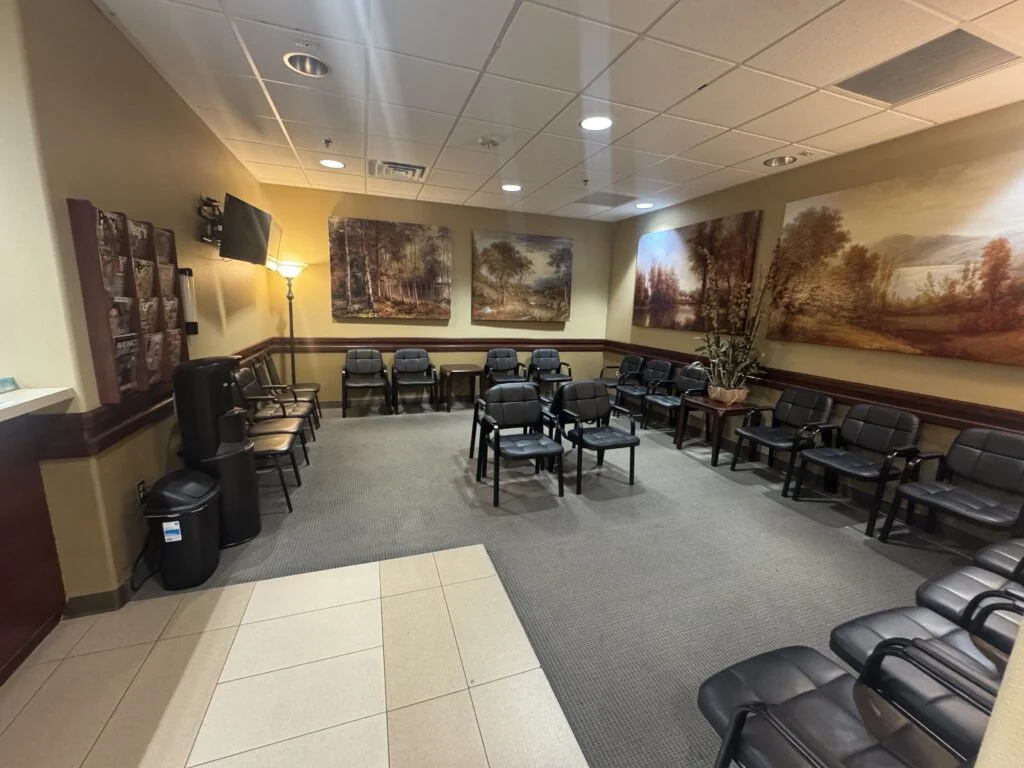
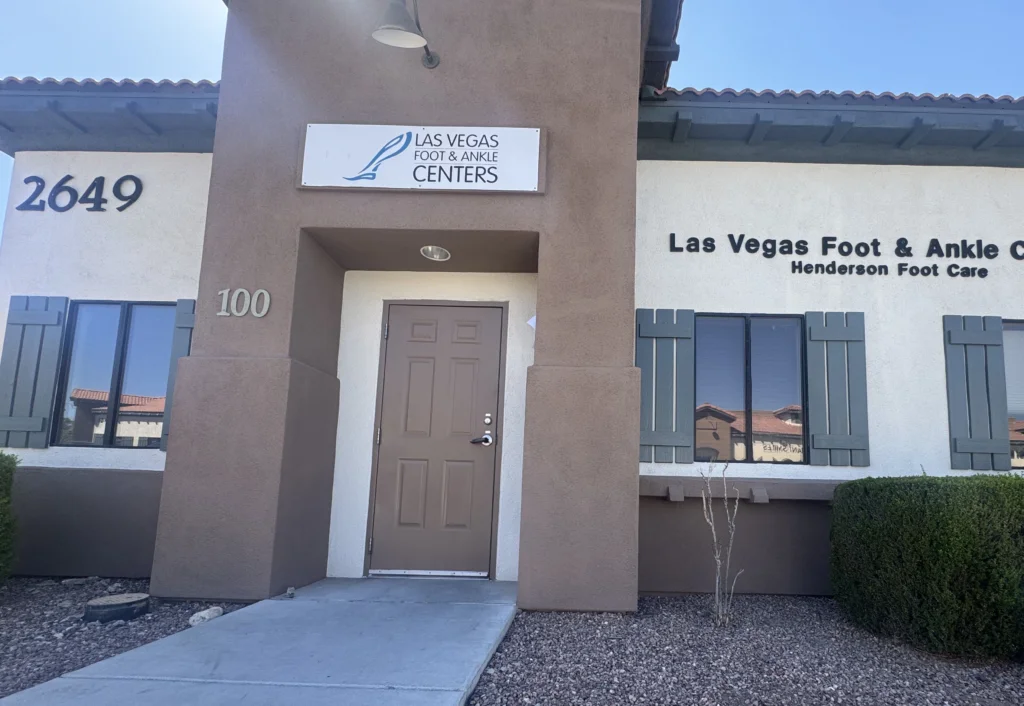
Nevada Foot and Ankle, Henderson – Horizon Ridge
2649 W Horizon Ridge Parkway, Suite 100
View Clinic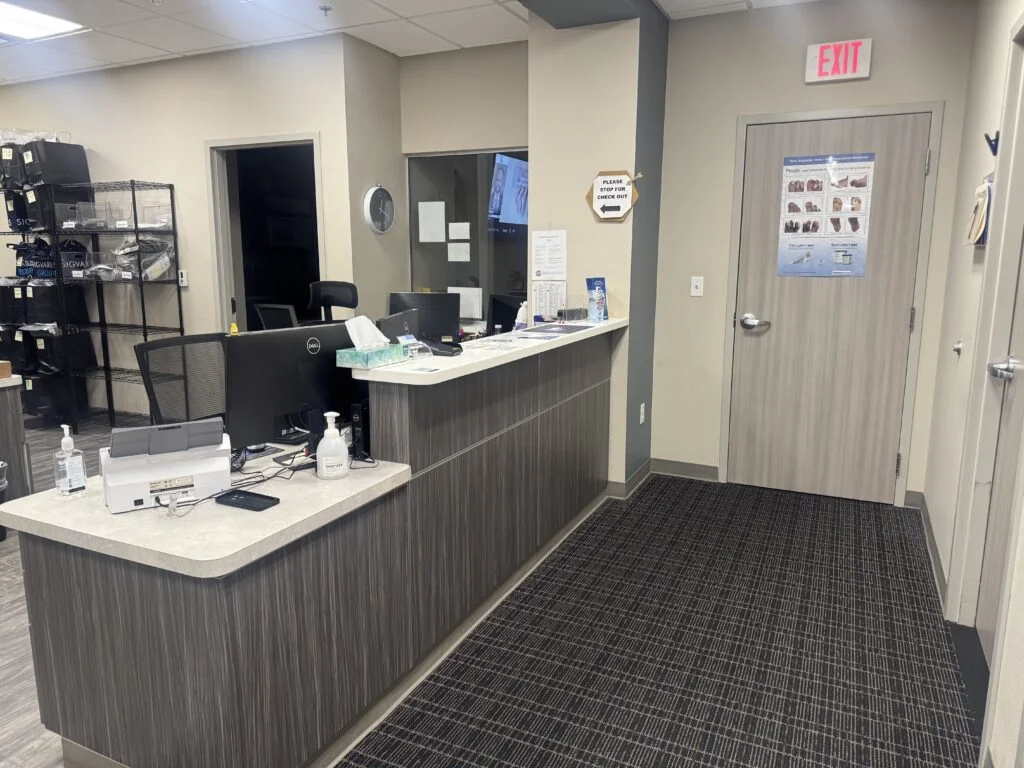
Ready to get answers about your foot or ankle concern? Let’s schedule your visit.
Our team is here to help you get an accurate diagnosis and a clear plan.