Flat Feet Care and Custom Orthotics
Supportive treatment for fallen arches, from custom orthotics to reconstructive surgery when needed.
Understanding Flat Feet
Learn what flat feet are, why they develop, and when it is time to see a podiatrist.
Flat Feet Evaluation and Treatment
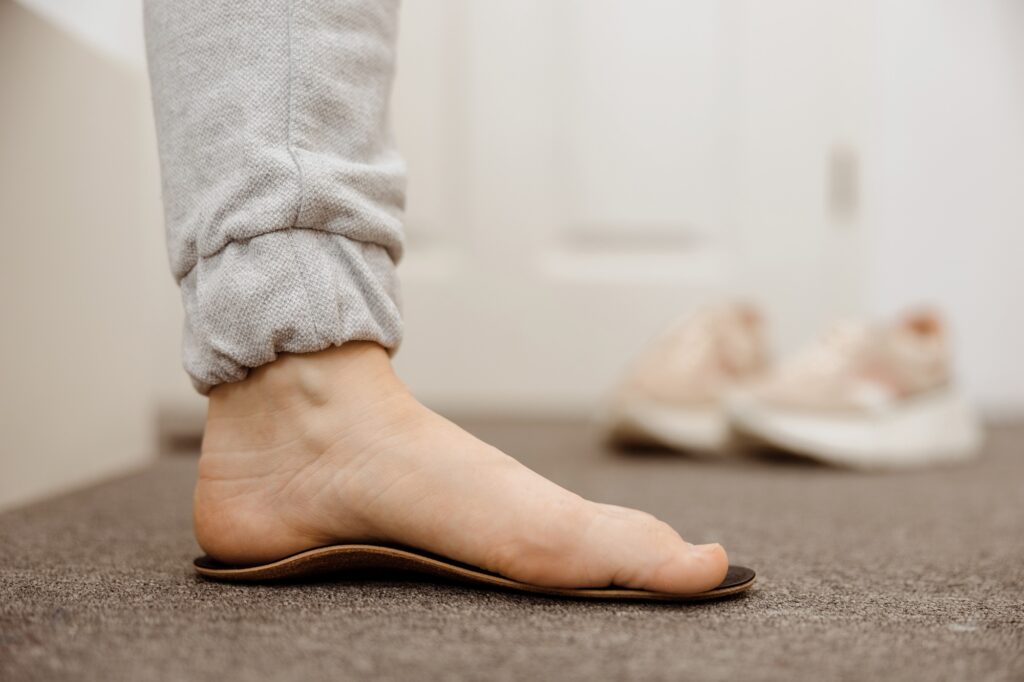
People with flat feet (pes planus) have an abnormally low arch or no arch at all. Instead, the soles of their feet are flat to the ground. People with this condition may have feet that point outward when walking or standing.
Flatfoot is often a complex disorder, with diverse symptoms and varying degrees of deformity and disability. There are several types of flatfoot, all of which have one characteristic in common: partial or total collapse of the arch. Other shared traits include toe drift, in which the toes and front part of the foot point outward, a heel that tilts toward the outside, and an ankle that appears to turn in. A tight Achilles tendon can cause the heel to lift off the ground earlier when walking and may make the problem worse. Bunions and hammertoes may develop as a result of a flatfoot.
Flexible flatfoot is one of the most common types. It typically begins in childhood or adolescence and continues into adulthood. It usually occurs in both feet and progresses in severity over the adult years. As the deformity worsens, the soft tissues (tendons and ligaments) of the arch may stretch or tear and can become inflamed. The term “flexible” means that while the foot is flat when standing, the arch returns when not weight bearing.
There is no need to worry about flat feet unless you experience foot pain or other problems that flat feet could aggravate. If you notice arch pain, ankle discomfort, or unusual wear on the inside of your shoes, schedule an evaluation with the podiatrists at Nevada Foot and Ankle.
Causes, Risk Factors, and Treatment
Children often have flat feet because arches only develop as they get older. But some people never develop arches, and others have arches that fall over time. Risk factors for flat feet include a family history of the condition, foot abnormalities, arthritis, cerebral palsy and muscular dystrophy, pregnancy, and weak arches.
During an exam, your podiatrist looks at how your feet sit when standing and seated. People with flat feet have little or no space between their feet and the ground when they stand. When seated, the arch returns in people with flexible flat feet but not in those with rigid flat feet. Because people with flat feet tend to roll them inward when walking, shoes often wear more on the inside of the soles near the heel.
If you have flat feet but they do not cause problems, treatment is not required. When flat feet are responsible for foot or ankle pain, orthotics (supportive shoe inserts) can resolve most flatfoot pain. They relieve pressure from the arch and release tension that could be causing discomfort. Your podiatrist may also recommend a wedge in the inside edge of your shoe to decrease pressure on the tendon.
In rare cases, the arch’s tendon can rupture and require surgery. Reconstructive foot surgery repositions tendons and fuses joints to realign the foot. An alternative is a subtalar implant, a metal insert placed in the back of the foot to support the arch. Our podiatrists start with conservative care and reserve surgery for severe problems, so you can expect a plan tailored to your condition.
Flat Feet Care at a Location Near You
Visit a Nevada Foot and Ankle office in Las Vegas, Henderson, or Reno for expert flat feet care.
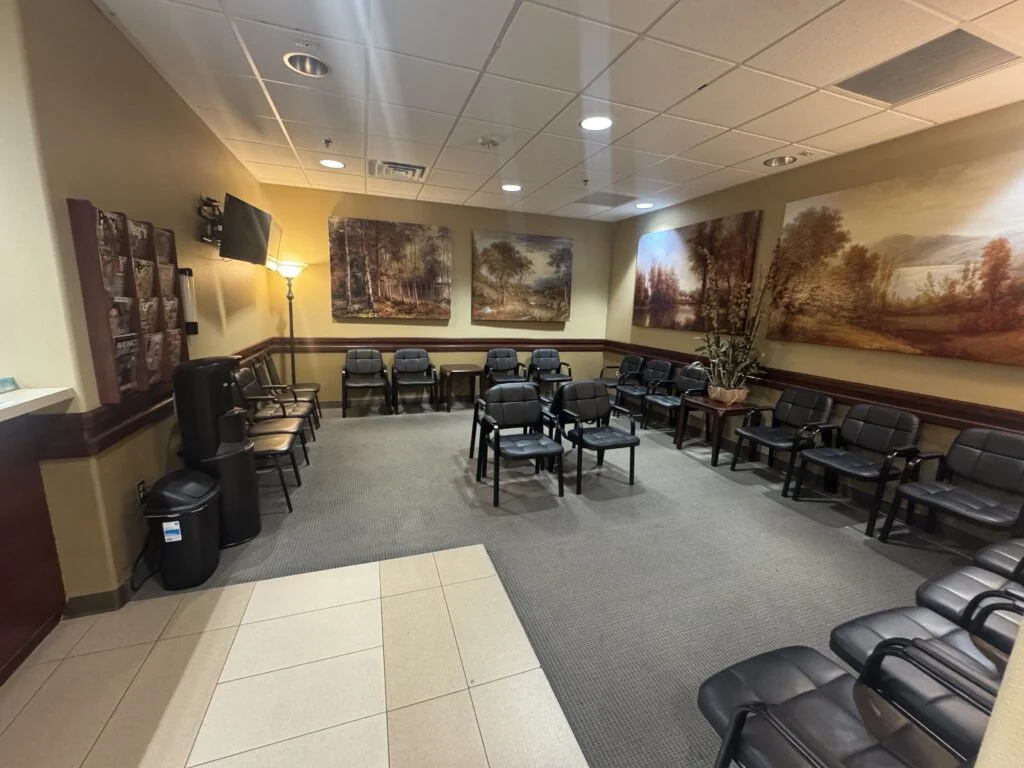
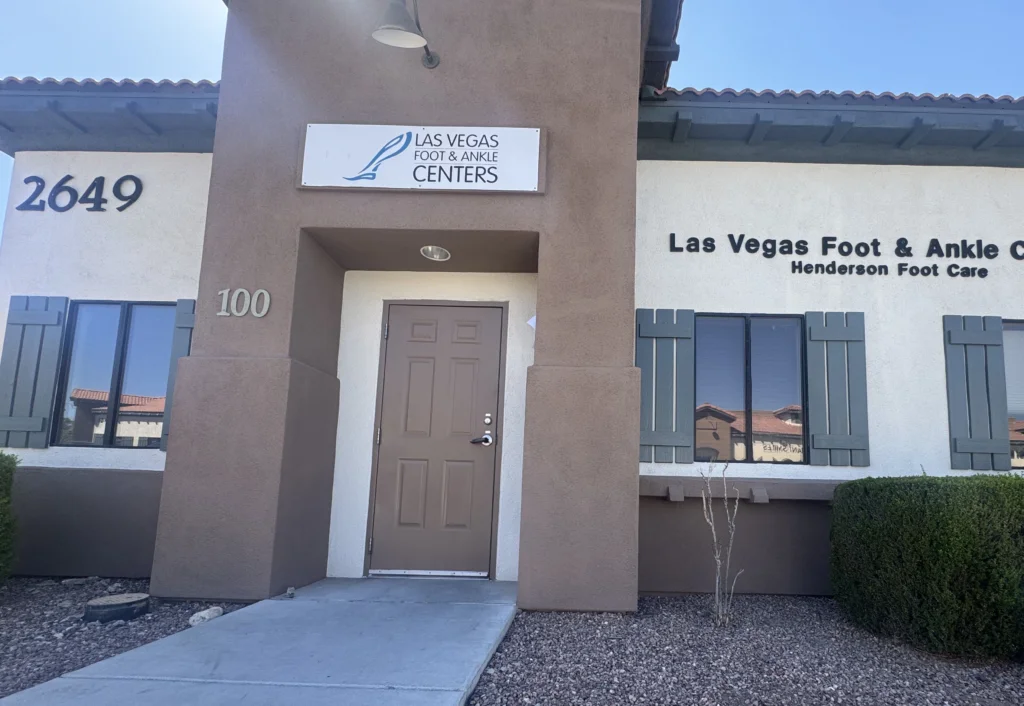
Nevada Foot and Ankle, Henderson – Horizon Ridge
2649 W Horizon Ridge Parkway, Suite 100
View Clinic


If flat feet are slowing you down, we’re ready to help you get comfortable again.
Book an appointment today and let’s build a plan that fits your feet.