
Plantar Fasciitis and Heel Pain Relief
Lasting relief for stabbing morning heel pain, arch strain, and chronic discomfort that keeps you off your feet.
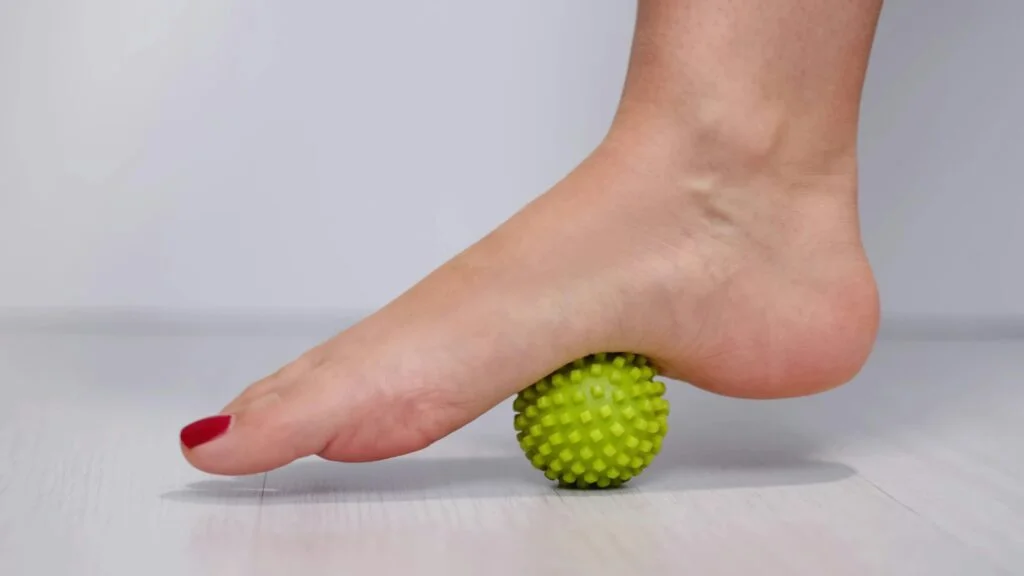
What You Need To Know
Understanding the causes, symptoms, and treatment options for heel pain.
Understanding Plantar Fasciitis and Heel Pain
Millions of people suffer from the disabling effects of heel pain, the most common cause of which is plantar fasciitis. This condition results from inflammation affecting the thick band of tissue (plantar fascia) that runs along the bottom of your foot and supports the arch. The plantar fascia is like a tight rubber band that stretches and contracts when you move, absorbing weight and pressure. Repeated strain can cause small tears that build up over time, producing heel pain.
Plantar fasciitis causes a stabbing or throbbing pain in your heel. The pain is typically sharpest in the morning when you first get up, then fades to a dull ache during the day. It often reappears after physical activity or when you first move after sitting for a long time. Other symptoms include a sensation of tears in the soles of your feet and aching in the arches.
Plantar fasciitis develops when the plantar fascia comes under excessive strain. Risk factors include excessive pronation, flatfeet, high arches, shoes with no arch support, excess body weight, frequent running, being on your feet for long periods, and pregnancy. It can develop at any age but is more common in people 40 to 60.
To diagnose it, your Nevada Foot and Ankle podiatrist reviews your symptoms and medical history and examines your foot and ankle, pressing on different areas to locate tenderness. Digital X-rays, ultrasound, or MRI may be used to assess the structures inside your foot before we recommend the best treatment for your specific condition.
Treatment Options and Other Causes of Heel Pain
Most people with plantar fasciitis can reduce their heel pain within a few months with proper care, and conservative treatment is successful in 90% of cases. Initial treatments may include resting and icing your foot, anti-inflammatory medication, night splints, orthotic shoe inserts, physical therapy, and stretching exercises. Supportive shoes should bend near the toes, have a solid heel counter, and resist twisting motion.
Physical therapy combines electrostimulation, therapeutic ultrasound, hydrotherapy, stretching, massage, and foot taping to reduce pain, calm inflammation, and promote healing. Night splints passively stretch the calf, Achilles tendon, and arch during sleep so there is less tension on the heel when you take your first step in the morning. If these measures do not relieve your pain, your podiatrist can inject corticosteroids into the inflamed tissue. For severe cases, we offer extracorporeal shockwave therapy, the Tenex procedure, and surgery.
Not all heel pain is plantar fasciitis. Stress fractures can result from overuse. Achilles tendonitis occurs when the tendon connecting your calf muscles to your heel bone is overworked. Tarsal tunnel syndrome, retrocalcaneal bursitis, heel spurs, and Haglund’s deformity can all produce pain that mimics or accompanies plantar fasciitis.
Wearing supportive footwear, stretching your feet and calves, and maintaining a healthy weight can help prevent plantar fasciitis from returning. If you have persistent symptoms, consulting a podiatrist early leads to faster recovery and better outcomes.
Find Heel Pain Care Near You
Visit a Nevada Foot and Ankle location for expert treatment of plantar fasciitis and heel pain.
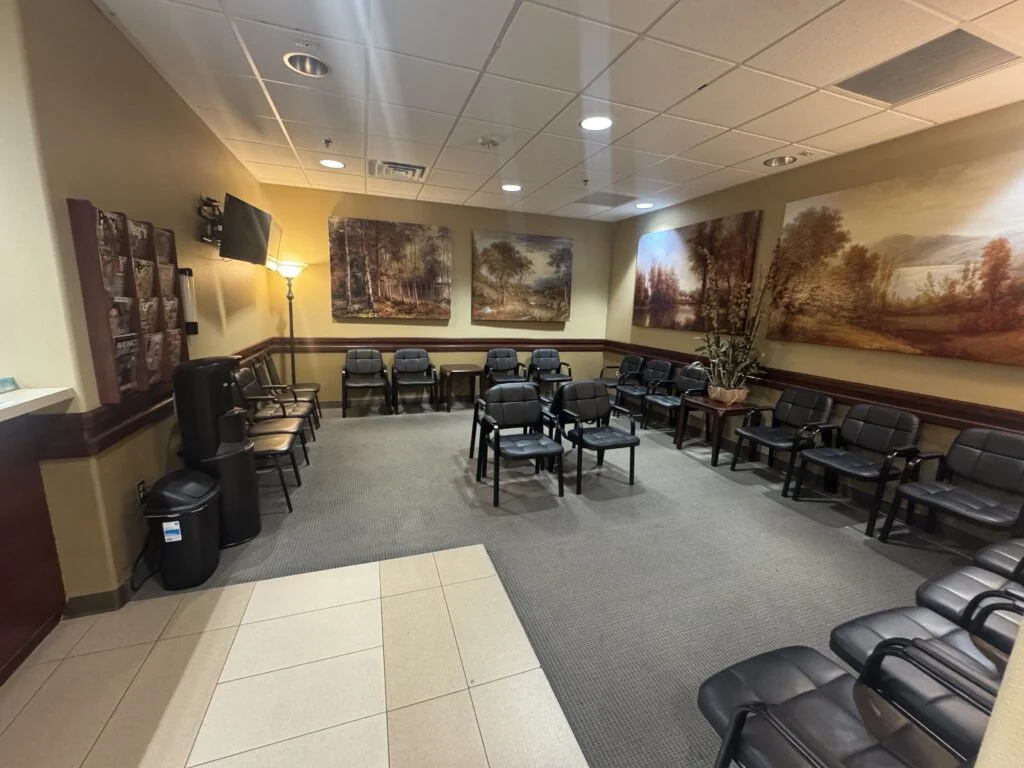
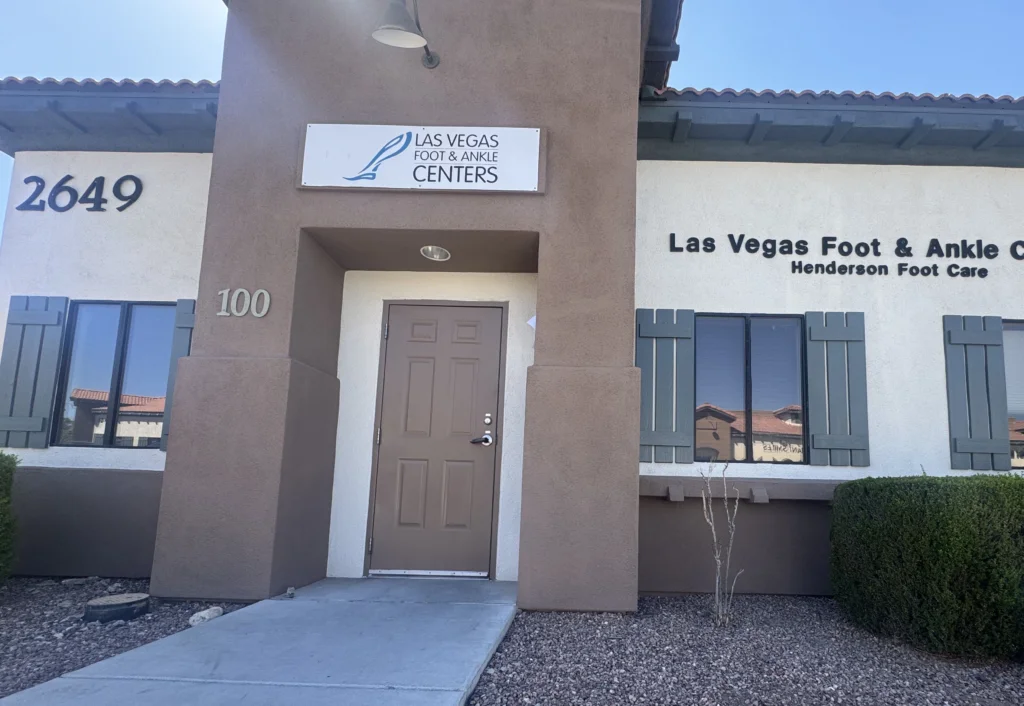
Nevada Foot and Ankle, Henderson – Horizon Ridge
2649 W Horizon Ridge Parkway, Suite 100
View Clinic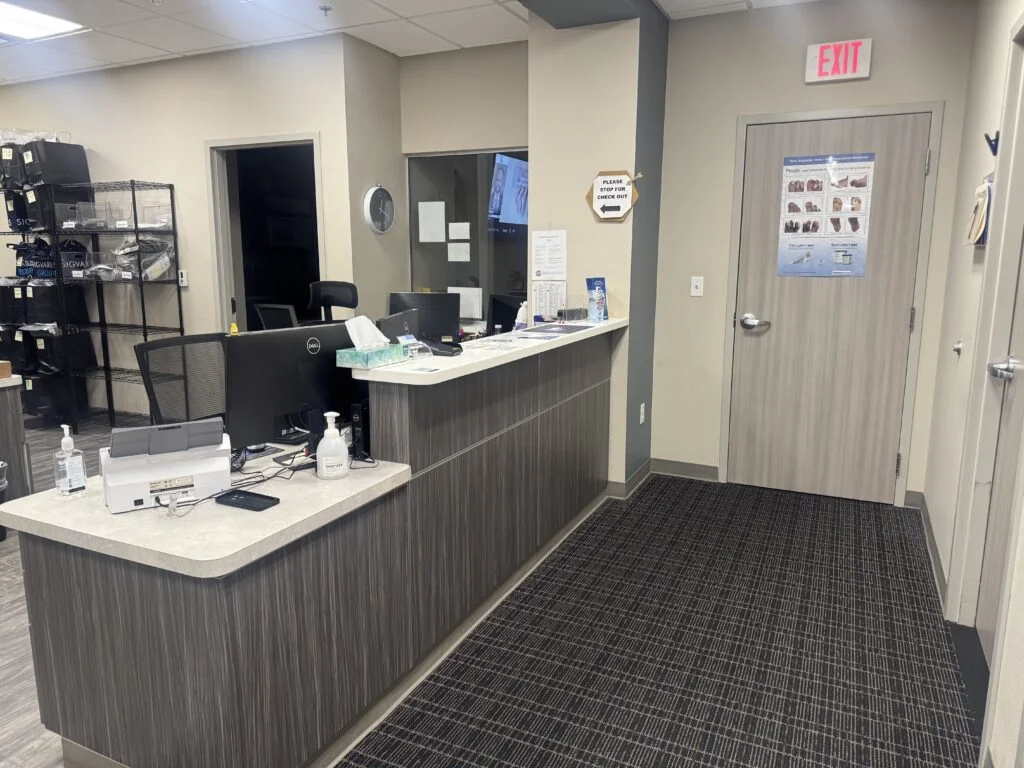

Don’t let heel pain keep you off your feet any longer.
We’re ready to help you find relief. Book your appointment today.