
Nerve Testing for Chronic Foot Pain
Advanced nerve and sensory testing to identify the cause of pain, tingling, and numbness in your feet and legs.

What You Need To Know
Understanding nerve testing and how it helps identify the source of your foot and leg symptoms.
Nerve Sensory Testing Explained
Nerve and neurological sensory testing is performed using an electromyogram (EMG), which measures the electrical activity of muscles at rest and during contraction. Nerve conduction studies measure how well and how fast the nerves can send electrical signals.
Nerves control the muscles in the body with electrical signals called impulses. These impulses make the muscles react in specific ways, allowing your doctor to evaluate the responsiveness of the nerves and muscles. An abnormal response indicates a problem with the nerves and muscles, and may help to establish the specific nature of the issue.
A nerve sense test may be called for if you are experiencing symptoms of nerve damage or a nerve disorder. These include tingling, numbness, weakness, spasms, or paralysis of the leg muscles. Milder cases may feel an occasional tingling, often at night, that is annoying but not actually painful. This tingling might begin to be accompanied by burning or shooting pains in the feet, and even some numbness in the toes.
Pain tends to decrease as the condition progresses, but is replaced more and more with numbness. This is serious, as loss of sensation can cause problems with balance and prevent the detection of wounds and sores on the feet. Left unchecked, minor cuts can turn into open wounds that become infected.
If leg pain or numbness is affecting your daily life, testing can pinpoint how much your nerves are involved so we can build a treatment plan that fits your diagnosis.
Conditions, Treatments, and What to Expect
Peripheral neuropathy is damage of the peripheral nerves, the nerves that travel to your arms and legs. In the United States, the most common cause is diabetes. According to the American Diabetes Association, 60 to 70 percent of people with diabetes will develop neuropathy within their lifetime. Other causes include certain medications, heredity, advanced age, arthritis, alcoholism, neurological disorders, and acute injury.
Tarsal tunnel syndrome is another common nerve condition, caused by compression on the posterior tibial nerve. Patients may experience tingling, burning, a sensation similar to an electrical shock, numbness, or shooting pain, typically felt on the inside of the ankle or bottom of the foot. Flat feet, ganglion cysts, ankle sprains, and systemic diseases such as diabetes or arthritis can all contribute.
No major preparation is necessary for an EMG. Bathe or shower the day of the test, and skip lotion or oil on the area being examined. Inform your doctor if you have a pacemaker or cardiac defibrillator. The test usually takes 30 to 60 minutes, with possible mild muscle soreness for a day or two afterward.
Treatment depends on your diagnosis and may include rest, ice, NSAIDs, immobilization, physical therapy, injection therapy, orthotic devices, supportive shoes, bracing, or nutritional support. When conservative care is not enough, decompression surgery can relieve affected nerves on an outpatient basis. The sooner nerve issues are identified, the better the chances of slowing progression and protecting your long-term foot health.
Nerve Testing Locations Near You in Nevada
Find a Nevada Foot and Ankle location offering nerve testing and neuropathy care close to home.
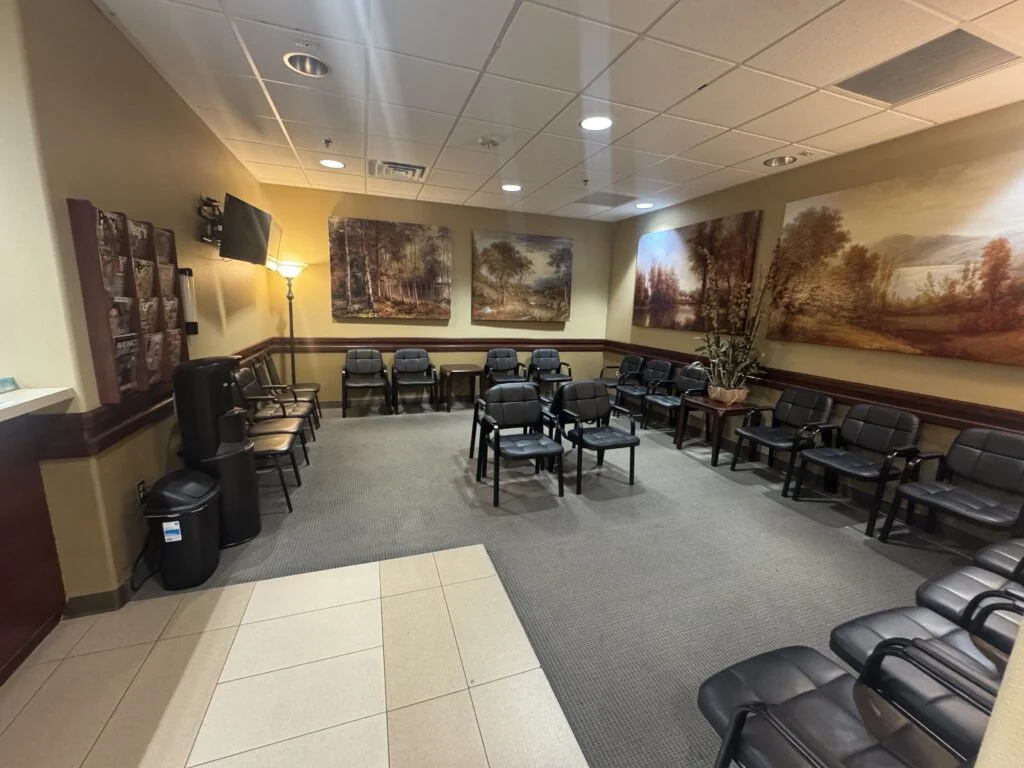
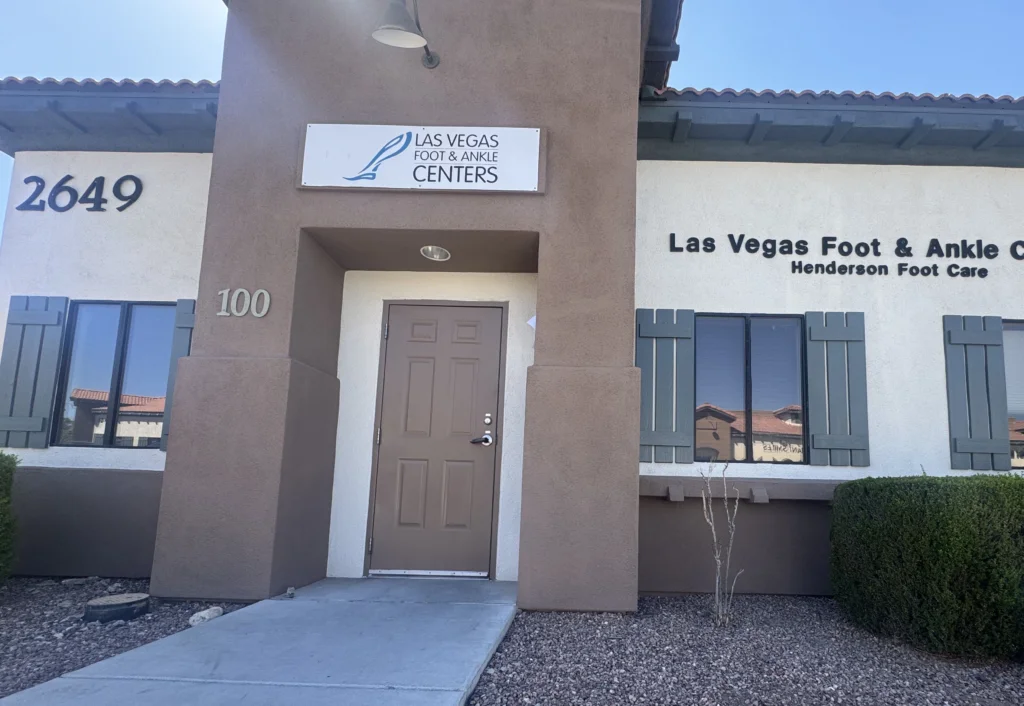
Nevada Foot and Ankle, Henderson – Horizon Ridge
2649 W Horizon Ridge Parkway, Suite 100
View Clinic


Don’t let nerve pain and numbness keep slowing you down.
Schedule your nerve testing appointment today and get real answers.