
Achilles Tendonitis Care and Relief
Expert diagnosis and treatment for Achilles tendon pain, helping you get back to walking, running, and daily activity.

What You Need To Know
Understanding Achilles tendonitis, its symptoms, and how we approach treatment.
Understanding Achilles Tendonitis
The Achilles tendon is the band of tissue that runs down the back of the lower leg, connecting the calf muscle to the heel bone. Also known as the heel cord, it facilitates walking by helping to raise the heel off the ground prior to the push-off phase of gait.
Achilles tendonitis is a common wear-and-tear injury and inflammation of the tendon, typically short-lived. Over time, if not resolved, the condition may progress to a degeneration of the tendon (Achilles tendinosis), in which the tendon loses its organized structure and is likely to develop microscopic tears and thickening. It affects patients of all ages but is particularly common in middle-aged people who play sports occasionally and runners who increase workout intensity.
The most common symptom is a mild ache at the back of the heel following physical activity, along with stiffness in the morning or after periods of rest. In some cases, the tendon may become enlarged or develop firm nodules where the tissue is damaged. Causes include a sudden increase in activity or repetitive stress on the tendon. Risk factors include flatfeet, obesity, being middle-aged or older, and wearing worn-out shoes.
In diagnosing Achilles tendinitis or tendinosis, the doctor will examine your foot and ankle and evaluate the range of motion and condition of the tendon. The area can be further assessed with X-rays, ultrasound, or MRI. If you are experiencing persistent pain at the back of your heel, contact Nevada Foot and Ankle to schedule an evaluation and begin an effective treatment plan.
Treatment and Prevention Options
Whenever possible, Nevada Foot and Ankle uses conservative methods of treatment to provide relief from Achilles tendonitis. Treatment approaches are selected on the basis of how long the injury has been present and the degree of damage to the tendon.
In the early stage, when there is sudden inflammation, several options may be recommended. Immobilization with a cast, posterior splint, or removable walking boot can reduce forces through the tendon and promote healing. Ice applied over a thin towel for 20 minutes each waking hour helps reduce swelling. Nonsteroidal anti-inflammatory drugs, such as ibuprofen, may help reduce pain and inflammation.
For those with overpronation or gait abnormalities, custom orthotic devices may be prescribed. Night splints help maintain a stretch in the Achilles tendon during sleep. Physical therapy may include strengthening exercises, soft-tissue massage and mobilization, gait and running re-education, stretching, and ultrasound therapy.
As a general rule, unless there is a rupture present, we tend to avoid surgery of the Achilles tendon. Less invasive techniques can help improve Achilles tendinosis without having to make a larger incision to open up the tendon for repair. If pain persists even after conservative measures, surgical intervention may be considered.
To prevent recurrence, your doctor may recommend strengthening and stretching exercises that help the tendon withstand higher loads and improve flexibility of the tendon, calf, and hamstring muscles. Wearing proper shoes for your foot type and activity is also important for lasting recovery.
Locations Offering Achilles Care
Find a Nevada Foot and Ankle location near you for expert Achilles tendon care.
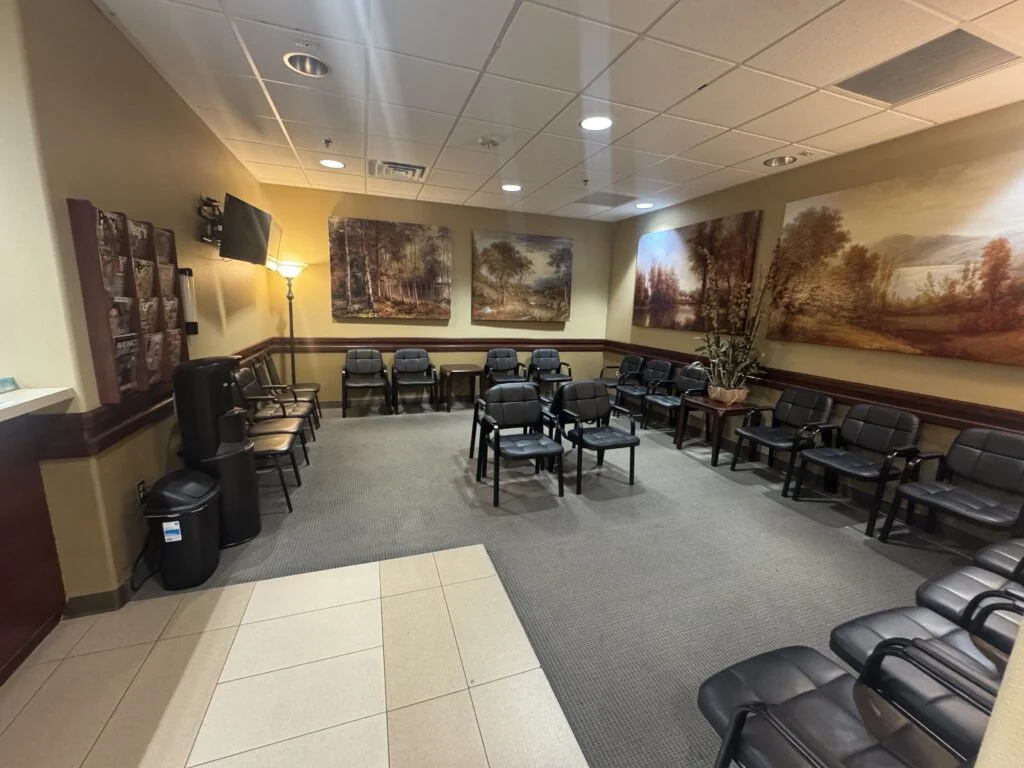
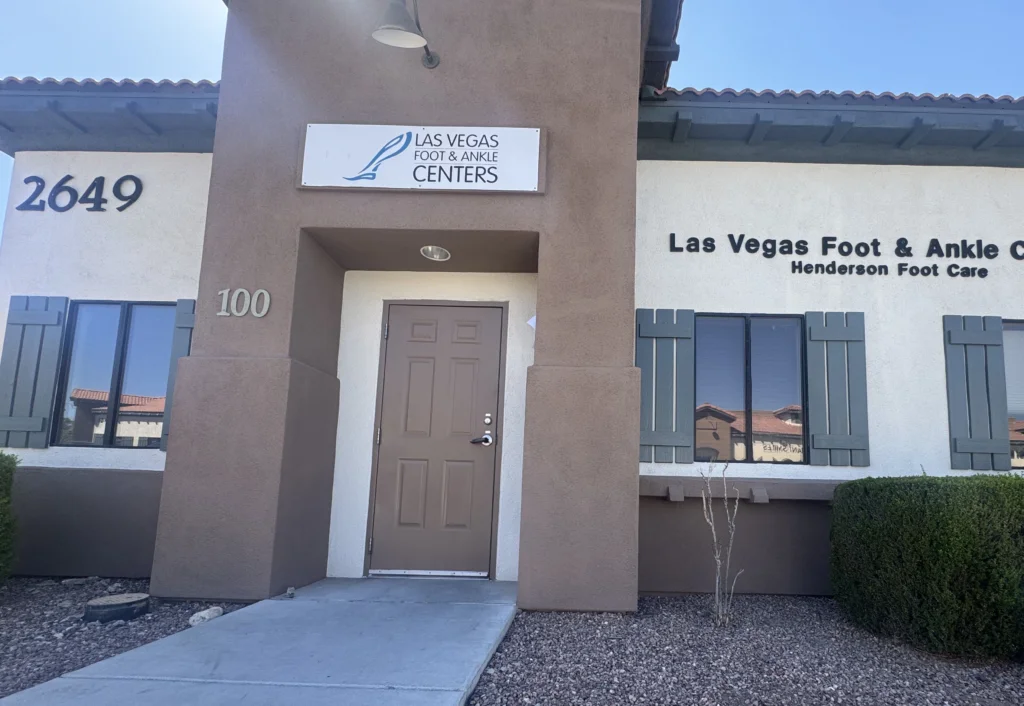
Nevada Foot and Ankle, Henderson – Horizon Ridge
2649 W Horizon Ridge Parkway, Suite 100
View Clinic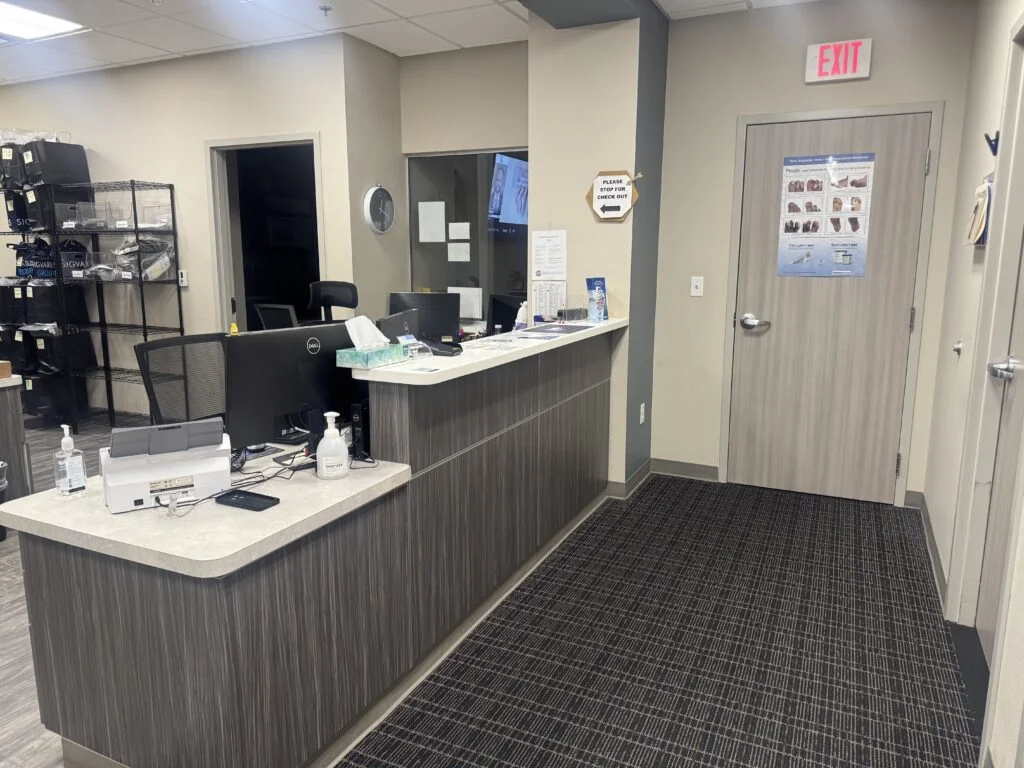
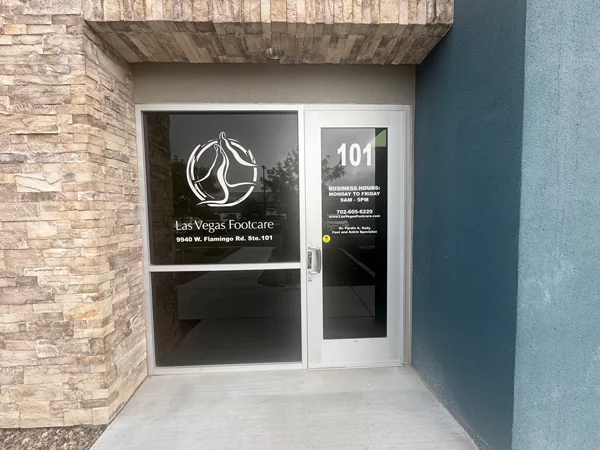

Don’t let heel pain hold you back, let’s get you moving comfortably again
We’re here to help you find lasting relief and get back to what you love.