
Total Ankle Replacement Surgery
Restore ankle motion and relieve chronic pain with a joint-preserving alternative to fusion for advanced arthritis.
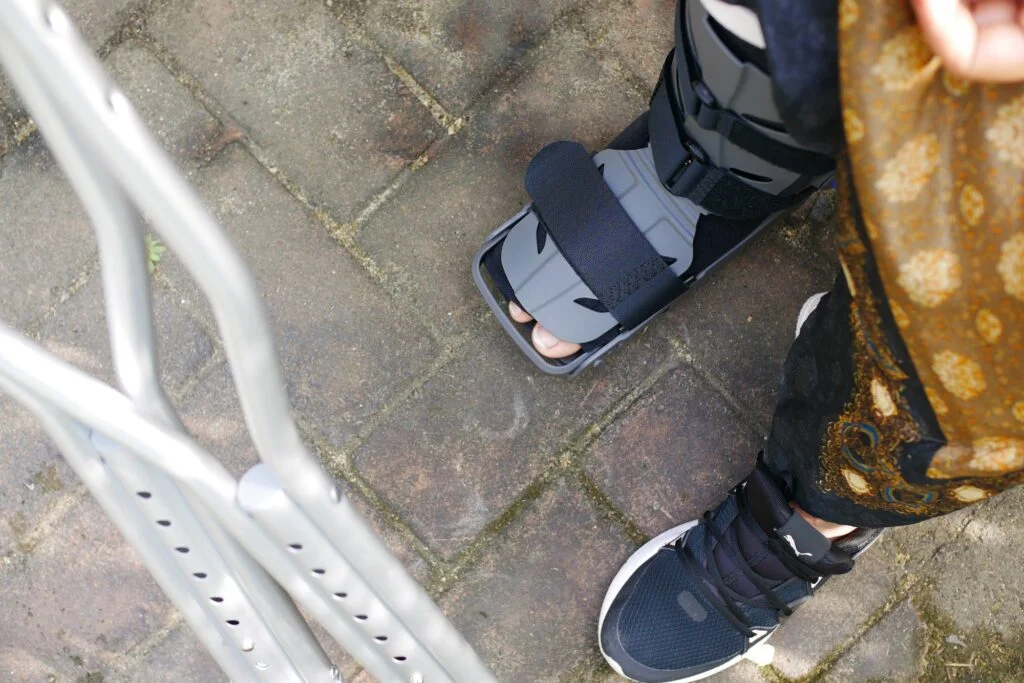
What You Need To Know
Understanding ankle arthroplasty and whether it may be right for you.
About Total Ankle Replacement
Total ankle joint replacement presents itself as a viable recourse for select patients, promising restoration of function and relief from debilitating pain. Total ankle replacement surgery, also known as ankle arthroplasty, involves replacing the damaged surfaces of the ankle joint with prosthetic components. The goal of this procedure is to relieve the patient’s pain and improve ankle function.
Preservation of ankle joint motion is imperative for everyday activities such as walking, climbing stairs, and recreation. The motion of the ankle implant also protects neighboring foot joints, mitigating the risk of arthritis due to the amplified stress accompanying ankle fusion. Patients with ankle fusion are almost always confronted with arthritis in adjacent foot joints within a decade post-surgery.
Candidates for ankle replacement typically suffer from severe ankle arthritis or have had previous unsuccessful surgeries and are experiencing significant pain and impaired mobility. Those who suffered a bad ankle sprain or fracture in their teens or twenties are also good candidates. Ideal candidates are typically individuals over 50 who maintain a healthy weight and do not suffer from advanced diabetes, compromised bone quality, or circulatory issues.
If you are dealing with ankle discomfort or pain, reach out to Nevada Foot and Ankle for an accurate diagnosis and a treatment plan tailored to your needs.
Recovery, Outcomes, and Implant Options
Thanks to advances in medical technology, surgical outcomes for total ankle replacement have improved greatly. The surgery offers a level of predictability and functionality surpassing that of ankle fusion. Unlike fusion, which curtails the ankle’s up-and-down motion, total ankle replacement preserves joint mobility, enhancing overall function. These procedures are performed in the hospital on an outpatient basis, and full weight bearing in a protective boot is often allowed within a few weeks after surgery.
Since 2005, several implant designs have successfully navigated the FDA approval process, offering streamlined placement procedures and enhanced instrumentation accuracy. Implants used in ankle replacement surgery include APEX 3D, Inbone, Infinity, Invision, Cadence, Salto Talaris, STAR, Vantage, and Zimmer Trabecular Metal.
Full recovery typically takes 6 to 12 months, with most patients returning to normal activities by 3 to 6 months post-surgery. Patients are typically non-weight-bearing for 4 to 6 weeks in a cast or protective boot, then bear some weight while wearing a boot, and generally return to regular shoes around 8 weeks.
Following surgery and physical therapy, patients can resume many activities like walking, hiking, swimming, or biking. High-impact sports such as running, basketball, and tennis should be discussed with your surgeon. With proper follow-up care, most patients regain meaningful function and lasting pain relief.
Where to Find Ankle Replacement Care
Visit a Nevada Foot and Ankle location near you for expert ankle care.

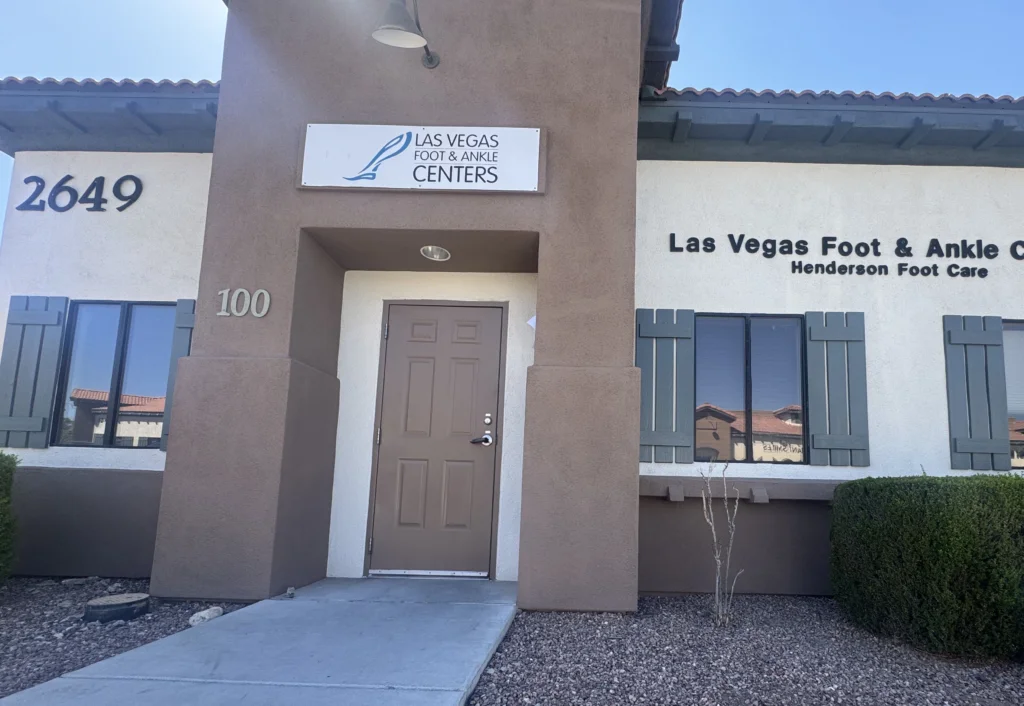
Nevada Foot and Ankle, Henderson – Horizon Ridge
2649 W Horizon Ridge Parkway, Suite 100
View Clinic


Ready to walk without ankle pain? Let’s talk about your options today.
We’re here to help you regain mobility and get back to the activities you love.