Bunion Surgery for Lasting Relief
Advanced surgical options to correct bunion deformities, reduce pain, and restore proper alignment of the big toe joint.
What You Need to Know
Understanding bunions and when surgical correction becomes the right option for you.
Understanding Bunions and Surgery
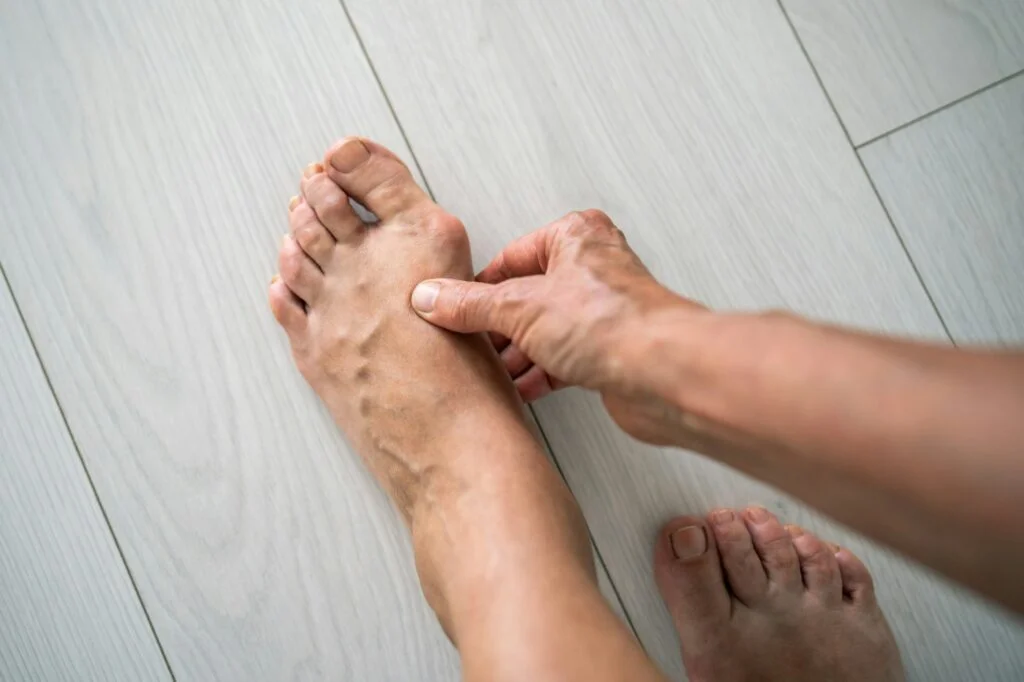
A bunion (also known as hallux valgus) is often described as a bump on the side of the big toe, but it is not that simple. The visible bump reflects changes in the bony framework of the foot. The big toe leans toward the second toe rather than pointing straight ahead, and the first metatarsal bone deviates in the opposite direction. This buckling throws the bones out of alignment, producing the bump. The prominence is normal bone that has moved out of position, not extra bone growth.
The cause of a bunion is biomechanical. Instability of a joint along the arch of the foot often leads to the slow drifting of one of the bones comprising the big toe joint. Foot structure is determined by genetics, so many people with painful bunions inherited a predisposition to develop one. Foot injuries and inflammatory conditions such as rheumatoid arthritis can also encourage bunion development. While shoes do not cause bunions, tight or pointed footwear can accentuate and irritate the deformity.
Symptoms at the site of the bunion may include pain or soreness, inflammation and redness, a burning sensation, and possible numbness. They often appear when wearing shoes that crowd the toes or after spending long periods on your feet. Bunions are progressive and do not go away on their own.
Even if your bunion is not causing pain, it is worth scheduling a consultation so we can evaluate the deformity, take X-rays if needed, and discuss your options together.
Surgical Options and Recovery
Bunion surgery has evolved significantly over the decades. Older techniques focused on simply removing the bony bump, which could provide short-term relief but did not address the underlying instability. Osteotomy procedures then shifted the focus to repositioning the bone with screws, pins, or plates. Today, 3D bunion correction repositions the bone in multiple planes to restore more normal anatomical alignment and secure the previously unstable joint, minimizing the chance of recurrence.
Several surgical approaches are available. Lapiplasty rotates the deviated bone back into its normal position and secures it with titanium plates, addressing both the bump and the root cause. Scarfplasty allows correction across multiple planes of deformity and often permits weight bearing soon after surgery. The miniBunion technique uses a small incision on the inner side of the foot for a less visible scar and faster rehabilitation. OSSIOfiber offers an all-natural, metal-free implant built with mineral fibers that gradually integrate into your own bone.
Selecting the right procedure depends on the severity of your deformity, your age, activity level, general health, and X-ray findings. Your podiatrist will review these factors with you and explain recovery expectations, since the length of recovery varies by procedure.
Recovery typically involves a period in a post-operative shoe or walking boot, with many patients beginning weight bearing within one to three weeks. Physical therapy helps reduce stiffness and return you to normal activity following your surgeon’s guidance.
Find Bunion Surgery Care Near You Today
Find a Nevada Foot and Ankle location offering bunion surgery close to home.

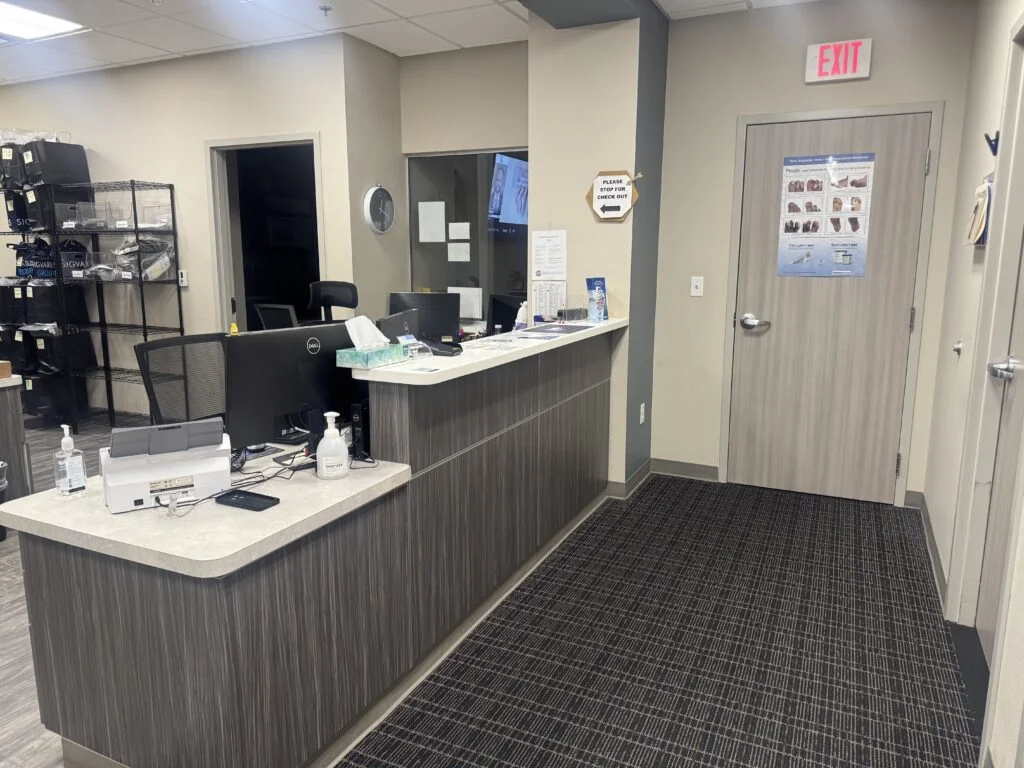
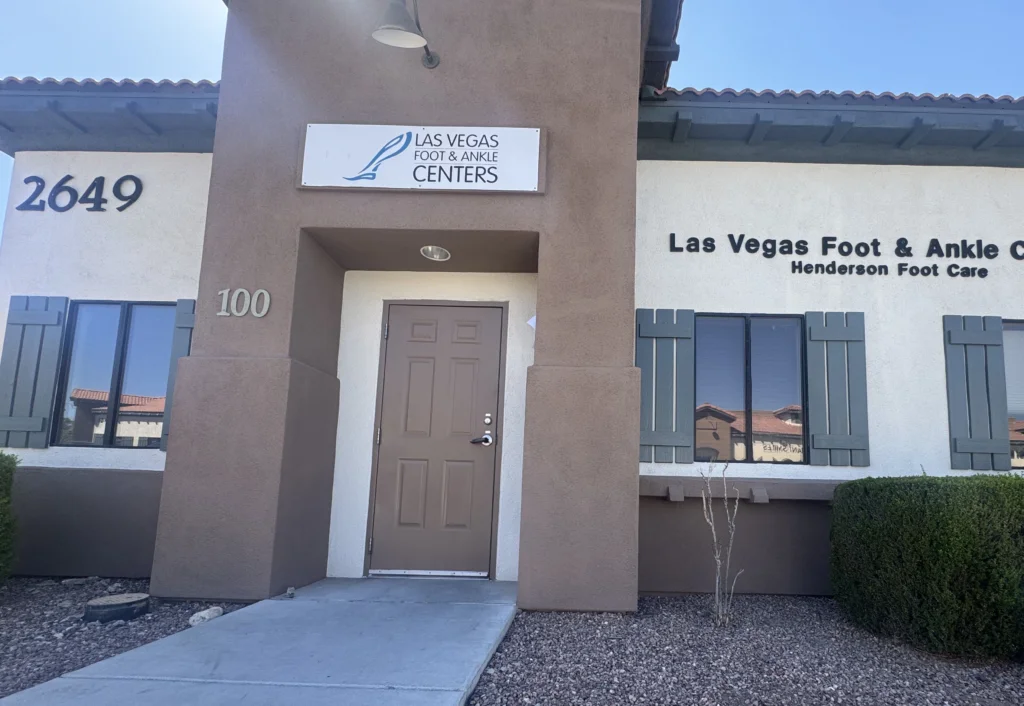
Nevada Foot and Ankle, Henderson – Horizon Ridge
2649 W Horizon Ridge Parkway, Suite 100
View Clinic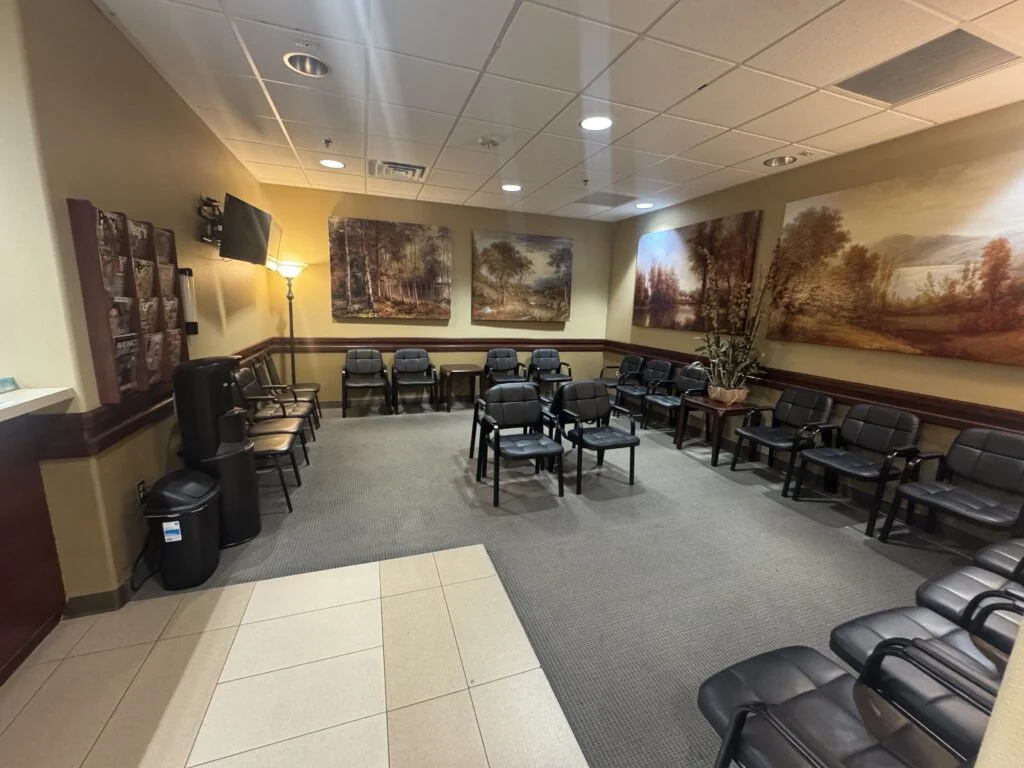
Don’t let bunion pain limit your shoes, your steps, or your day
We’ll help you understand your options and find the right path forward.